Old wives’ tales and homemade pest control

I would not class myself as a fully fledged tree-hugger. I will use chemicals in the garden but usually only as a last resort.

So I am always intrigued to hear about old wives’ tales that relate to the garden. Some of them work, some of them don’t but you shouldn’t knock them before you’ve tried them.

Here are some I read about this week.

Aphid garlic spray

Add three chopped garlic cloves to two cups of water. Add a few drops of washing up liquid, shake and allow to stand for 24 hours. Sieve the mix and add the water to a spray bottle.

Spray infected plants once in the morning and once again in the evening, once a week. Hose the plants down the following day to wash away the dead aphids (apart from those of you who still have a hosepipe ban!).

Now Mr Mac is always going on about horticultural soap but I think the stuff he is thinking about has now been banned by some European legislation. It probably interfered with a greenfly’s right to life or some such nonsense. We can never find it at the garden centre and we are too scared to ask in case they think we are eco-terrorists.

However, I think the principle of using soap is so the aphids can’t get a grip and slide off the plant. We have tried this with fairy liquid but with limited success. I will now try it with the added garlic as we always have an issue with whitefly on the fruit bushes. This method was also endorsed on last week’s episode of The Beechgrove Garden. So if it’s good enough for Jim McColl, it’s good enough for me!

Club root control

Rhubarb leaves contain poisonous oxalic acid which is said to kill off club root fungus, the scourge of the brassica crop. It was the active ingredient in now withdrawn club root chemical controls (Europe again?).

Tear a leaf into small pieces and add one to the bottom of each planting hole before planting brassicas.

I have not suffered from club root (so far) but we have some rhubarb at the bottom of the garden so I might give this a try.

Add nitrogen

By peeing on a new compost heap, the added nitrogen is said to kick-start the rotting process and turn garden waste into usable mulch that bit quicker. This is a job for the man of the house though as male urine is less acidic than female urine.

I’ll need to speak nicely to Mr Mac about that one!

Slug remedies

Slugs are definitely my gardening nemesis. They are everywhere, they eat everything and they are a big problem in my garden. They are UK’s no.1 pest so I am not alone.

I have tried coffee grinds, sharp sand, egg shells, hair, cat fur, orange peel, beer traps, all of which are supposed to keep slugs away. I always thought it was the texture of coffee grinds that the slugs did not like but apparently the coffee grinds react with the slug’s slime producing mechanism and they dry out and can’t move.

Whatever these remedies are supposed to do, they don’t keep slugs off my plants I’m afraid. Not only that but I also read that more slugs actually live in the soil than on the surface and do their damage below ground. This means that surrounding your plants with coffee grinds etc is useless!

Even the Royal Horticultural Society agrees that when it comes to slugs, a chemical killer is the best option. So it’s off to the garden centre to see what they’ve got. We might even ask about horticultural soap while we’re there!

 

The greenhouse that time forgot

It feels as if nothing is really growing but I have just looked at some photographs taken a month ago and there has been some movement…but not nearly as much as there should have been. It is as if time has stopped.

I should have my tomato plants in growbags by now. I am only growing three varieties this year, moneymaker, red cherry and sungold. These are the ones I always have most success with.

I was having a bit of blogger banter with fellow gardening blogger Adam Leone (see Carrot Tops Allotment http://carrottopsallotment.com/) about the tastiest cherry tomato. He reckoned Gardeners Delight is the best variety but I think sungold is just that bit better. Put it this way, last year very few of our sungold tomatoes made it as far as the kitchen. In fact, very few made it out of the greenhouse. They were so sweet we ate them like sweeties.

So I set Adam a challenge. Grow both varieties and then do a blind tasting to see which one he prefers. He has even gone as far as mention my challenge in his last podcast and he has planted his sungold seeds – so the challenge is on! All we need now is some sunshine!

This week I managed to plant swedes and Florence fennel outside. The beetroot and peas I planted outside a couple of weeks ago have germinated which is good news.

I have potted on some zinnias, cosmos and diascia. The flowers and brassicas are all hardening off nicely. It has certainly been the perfect hardening off weather!

The brassicas could really do with being planted out now but we dug over the plot two weeks ago and normally we would have expected the clods of earth to have dried enough to crumble when stamped on. However, it has never stopped raining long enough and so I am unable to get the patch prepared for planting!

The brassica patch is not quite ready!

My sweet peas have been ready to go out for weeks and they have become really straggly and unsightly…so I sowed some more.

My gran’s magnolia tree is about to flower but we have had to cover it with fleece a few nights when frost was forecast.

Casper the friendly ghost!

I lost a melon and courgette plant, so only have one of each left. I have planted some more seeds just in case.

The good news is the peas, livingstone daisies, sunflowers, potatoes, blueberry, carrots and pak choi are thriving in the greenhouse and the strawberry plants outside have started to flower! My 4 okra plants seem to be in the land that time forgot.

24 April 2012

18 May 2012 – spot the difference!

I have not been able to sow any seeds for cut flowers outside, something new I wanted to try this year. So I have just planted up some large pots and left them in the greenhouse until things warm up.

The forecast for the weekend is sunny spells with a high temperature of…FIVE DEGREES! Never mind, it’s nearly June……


The great big giant parsnip experiment

We love parsnips. I have a fantastic recipe for curried parsnip soup which we eat all winter and there is nothing better than picking your own parsnips and brussels sprouts for Christmas dinner. Parsnips roasted with honey, black pepper and olive oil…yum.

The only problem is that our ground is very stoney and while we do pull up the occasional monster parsnip, most of them look like an octopus.

We were watching a gardening programme last summer (think it was Beechgrove Garden, BBC Scotland’s answer to Gardeners’ World) and one of the presenters was planting his parsnips seeds for competition. He was using a really tall bucket and had various “top secret” blends of compost, the details of which he was not going to share with the viewers.

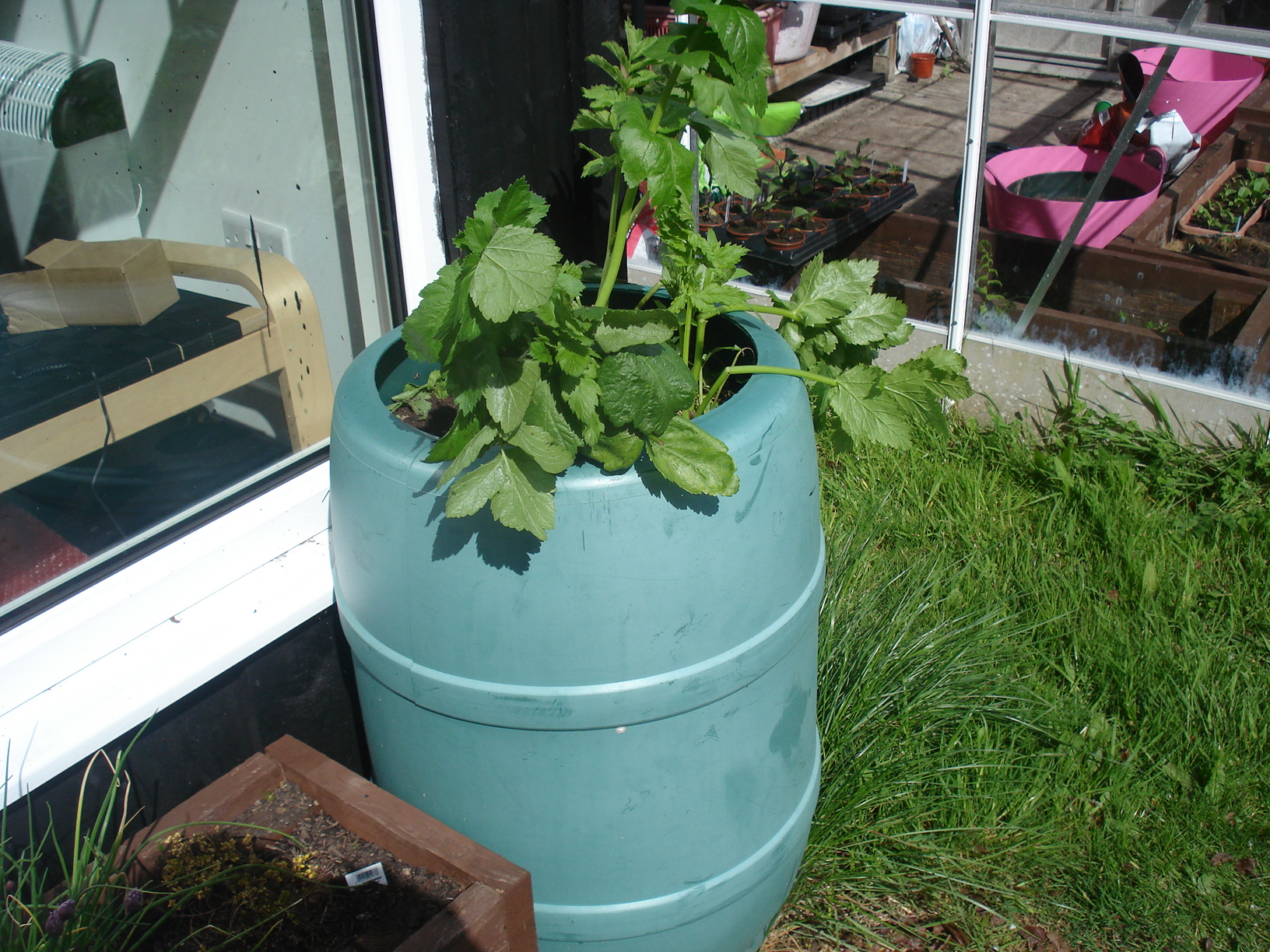
Mr Mac suggested we try and do the same thing with the broken water butt lying at the bottom of the garden…so we did!

We filled the bottom with gravel and crocs for drainage then filled it to the top with our own compost. Mr Mac made seven holes right to the bottom with a broom handle and we filled the holes with sand. We planted two seeds in each hole with the intention of thinning out the weaker seedling (which I never did…oops!).

Now this took place in August last year, in hindsight probably a bit late. The seeds germinated and then were forgotten about over winter. I started to water them again in the spring and the leaves were growing taller and taller. I thought if the root was half as long as the leaves were tall we were in for a treat.

Then this morning we were having a look at them and decided to pull one out to see how it looked. Here it is…

Disappointed, we pulled out another couple and they were no better. Somehow I don’t think I’ll be trotting off to the village hall to pick up my “best in show” rosette!

We have left the rest of the parsnips in the water butt to see if they grow any bigger. I’ll keep you posted!

Purrfect harmony in my garden

Every garden related publication I read at the moment seems to be full of hints and tips for keeping cats out of gardens. I never realised there was so much animosity from gardeners towards our little furry friends.

If only this was possible!

The main issue seems to be poop and the health risks to humans. Contact with cat poop can be a serious health hazard to pregnant women due to the presence of toxoplasmosis. Poop should be kept away from compost and also vegetables destined for human consumption. The digging necessary to hide the poop can also disrupt and damage seedlings and flower beds. But are cats getting a bad press?

When I trained to become a lawyer, my vision was one of courtroom dramas, wigs and gowns, fighting injustices and righting wrongs done to my fellow human beings. It soon became very apparent that I could not argue my way out of a paper bag so I turned my back on dreams of a Nobel Peace Prize for justice and became a property lawyer!

However, for once I am prepared to stick my neck out, get off the fence and make a case for the defence of my little furry friends. I do have to admit I am slightly biased in their favour, being the owner of two.

Playing devil’s advoCAT (sorry!), yes the outdoor toileting can be a bit of an issue.  The clumps of earth that are not clumps of earth at all are my pet hate. Dennis the Menace, the youngest, feels compelled to mark his territory every time any earth has been remotely disturbed, let alone dug (when he is totally beside himself and does not know where to park his bum first!). Once we were filling a wheelbarrow with soil, turned around and there was Dennis doing the toilet in the wheelbarrow.

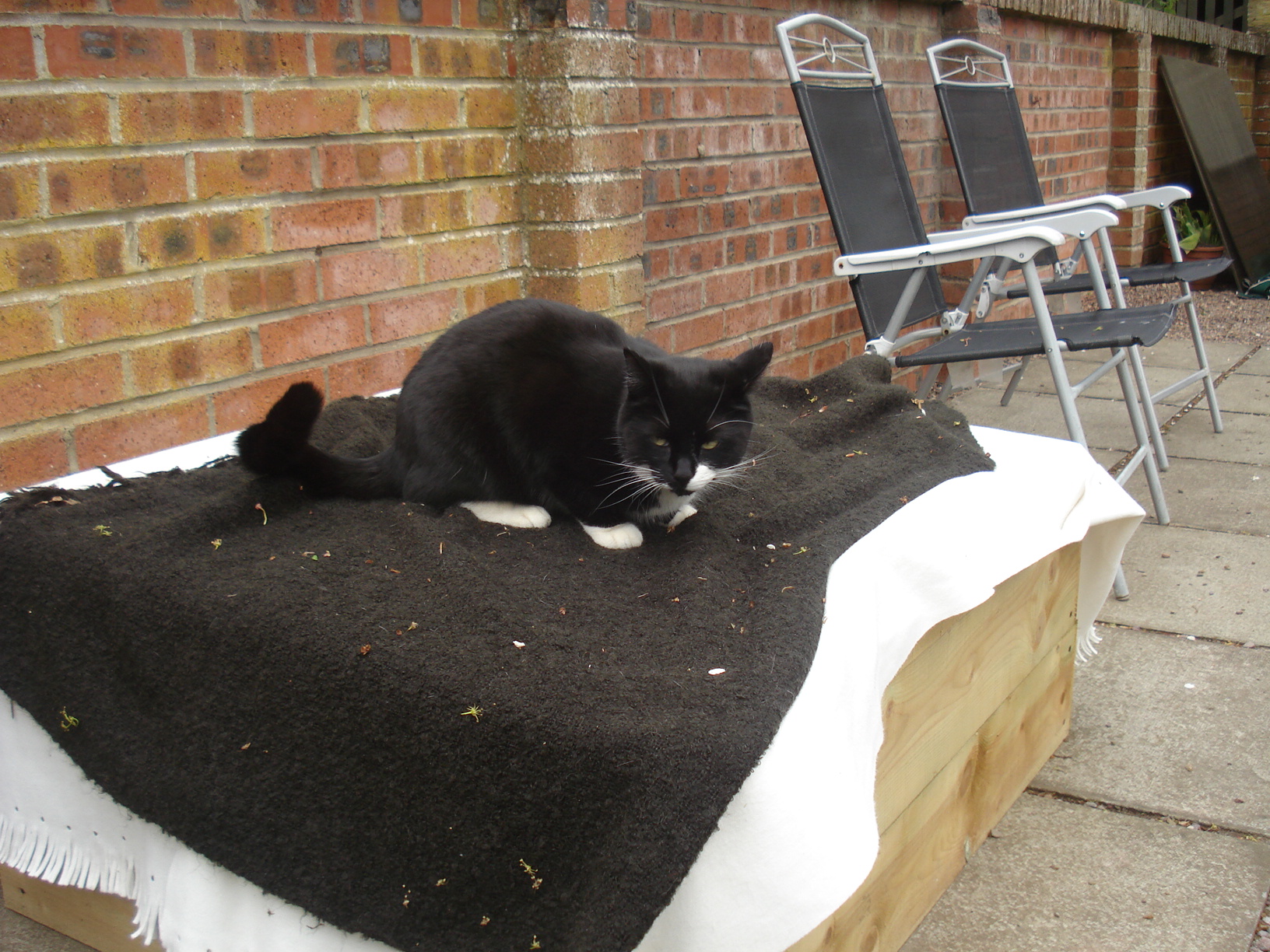
We have had cats rolling around in between the onions, inevitably breaking some stems and playing football with seed potatoes that they have managed to dig up.

Scooter took a liking to the fleece covering the coldframe

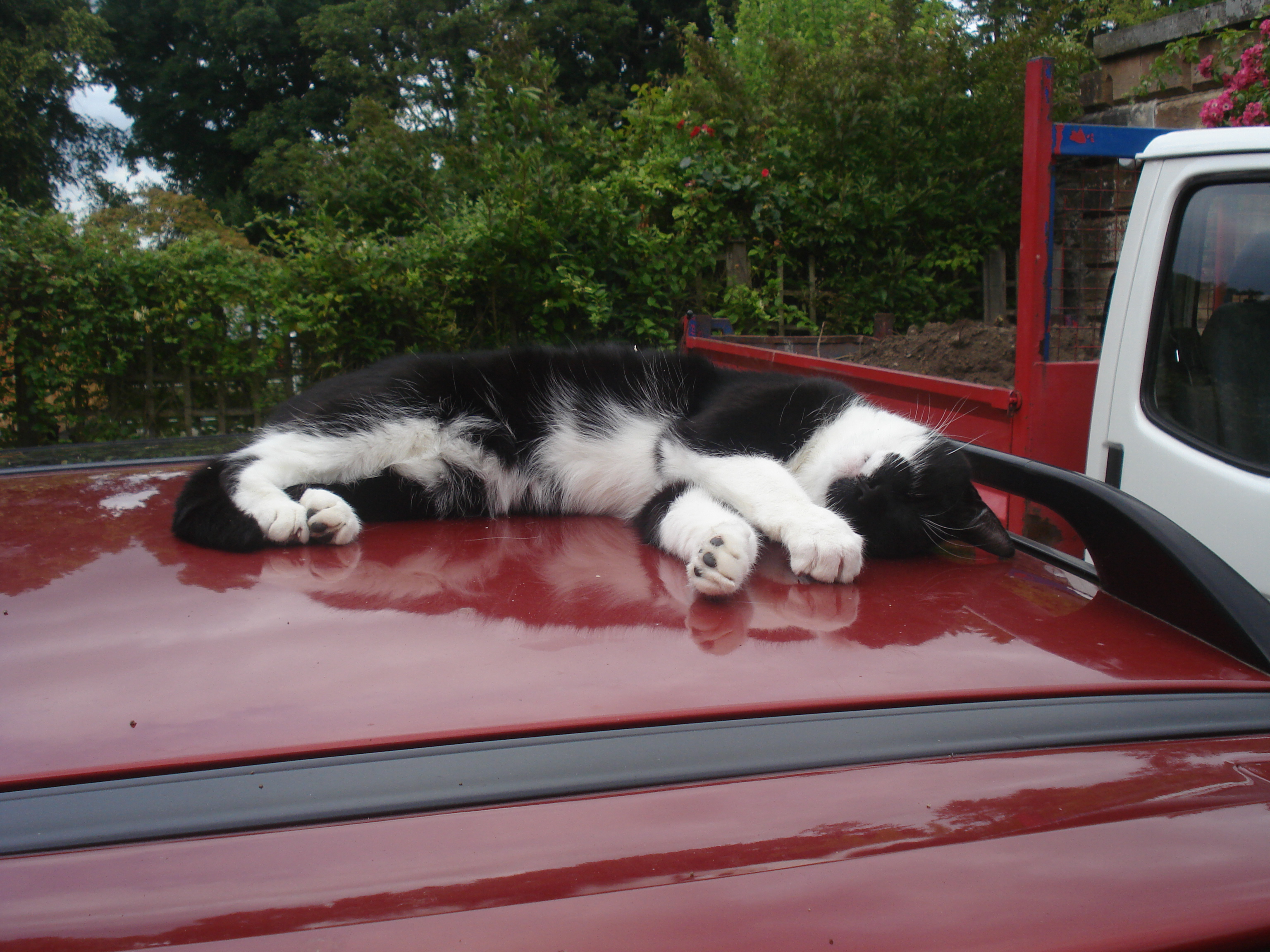
work hard, play hard!!!

All these things can be overcome. I always wear gloves in the garden, mainly because I’m a girl but it means you don’t touch anything you shouldn’t. It is quite easy to keep cats off veggie patches by using twigs and sticks which make it hard for them to get in, roll about or dig. Seeds and seedlings can be protected by covering them with netting of some kind which prohibits cats from digging them up, allowing successful germination.

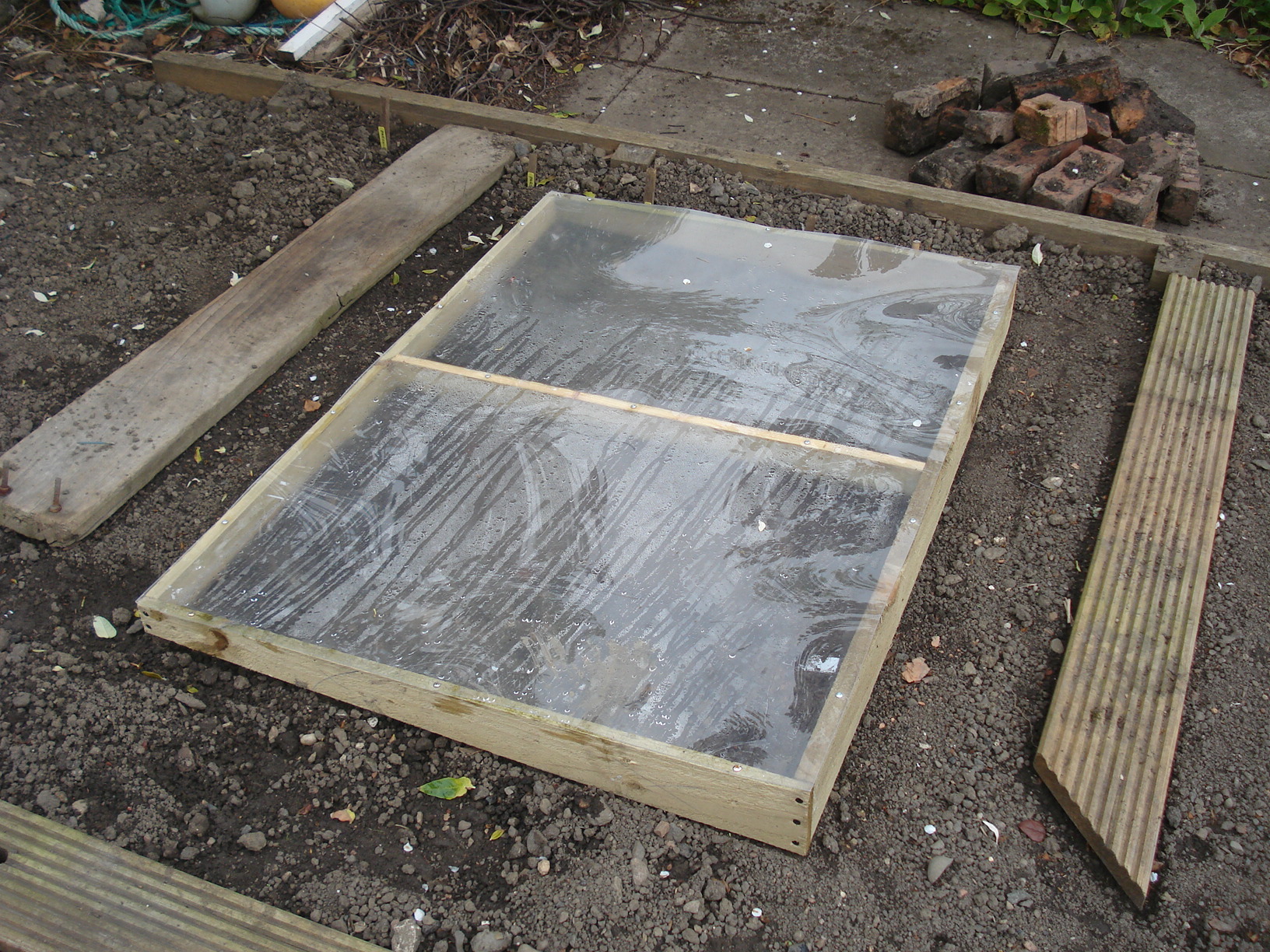
Last week I discovered the rows of beetroot seeds I had planted had been disturbed so Mr Mac made a cover from clear plastic and some wood to place over the seeds until they have germinated.

My beetroot seeds will at least get a chance to germinate.

So will my parsnip seeds.

It is common sense really and I would argue that the benefits of having cats in the garden far outweigh the disadvantages.

When we moved here 4 years ago, almost every surface in the garden was covered in rabbit droppings. Rabbits are indiscriminate in the destruction of a garden. Rabbits find most of their favourite foods in the vegetable garden. They will also munch flowers and chew the bark, buds and stems of woody plants.

We no longer have a problem with rabbits. Neither does our neighbour who used to be overrun with rabbits and squirrels. He goes out of his way to encourage our cats to hang around his garden.

Mice are also notorious for eating seedlings. The only problem we now have with mice is when they are brought to us as a gift!

Our boys are the ultimate in biological pest control taking care of rabbits, mice, birds, squirrels, a weasel (I had to look it up in a book because I had never seen one) and, best of all, moles. As soon as we have a mole hill on the lawn, we sit Dennis on top of it, let him have a sniff and soon after, one dead mole.

So, admittedly we do suffer the occasional loss from having cats in the garden but we are more than prepared to live with it. I would much rather lose one or two seedlings because they have been disturbed by a cat than lose a whole crop to rabbits and mice.

The verdict? Not Guilty!

Ready for action!


Life is like compost!

For those of you reading this hoping for further enlightenment on all things gardening, sorry, but not today I’m afraid.

I feel as if the gardening pause button has been pressed and now we’ve lost the remote control. It has been so wet it is impossible to do anything outside, although Mr Mac did manage to start another path during a dry half hour on Wednesday evening. As if the rain is not bad enough, the temperature is so far below what it should be at this time of year, nothing in the greenhouse is growing.

My tomato seedlings are still inside the house and I actually contemplated sitting them in front of the fire for a wee while to see if the heat might make them grow!

Anyway, although I am short of pearls of gardening wisdom, I did hear the most fantastic garden analogy on the radio this week and I thought I must share it with you.

It went something like this……

Most of us consider compost as a soggy, smelly, festering heap. But it is incredible how the chemical cycle of composting works. What we see as useless waste or stinky rubbish can change into something that can actually transform the soil when used properly, letting something good, useful and beautiful or delicious grow.

When things in life go wrong or things don’t work out the way you hoped it is easy to get down about it and see everything as a useless waste. If this is where our thinking gets stuck then we end up feeling rubbish.

However, if we learn from the tough times and use those lessons to make things better or different then something good and useful and possibly beautiful is sure to grow.

I think the point of the story is that if life is bad, things will get better. Either that or if you are having a bad time of it, add some grass clippings, tea bags and cardboard, sprinkle with a little water and you’ll win the lottery!

Round and round we go – crop rotation made easy!

I have been desperate to start planting seeds outside but it has been so cold and wet I was not able to. However, this morning saw the sun shine for the first time in ages so it was boots on and outside.

we won’t be planting any veg in this patch this year!

Now I have a conundrum. We had 3 areas for growing veg but due to Mr Mac’s path and wall building project, one of the areas has a mountain of earth piled on top of it. It will eventually become a lovely raised bed enclosed with a stone wall but for the time being it will be sprayed with weed killer, covered in black plastic and left until next year.

This leaves me with 2 areas and one has already been earmarked for brassicas. We have “acquired” an old gazebo frame which will support a net to cover them and protect them from cabbage white butterflies and the resulting caterpillars.

Over the last three years we have planted potatoes in each patch to break up the soil and have followed a crop rotation system, making sure the same vegetables were not grown in the same place 2 years in a row.

One veggie plot ready for action.

So my conundrum this morning was to work out what I had planted in my 2 remaining veggie patches last year and try to work out what can go where this year. This hurt my brain! So now that I have worked it out, to save you the bother, I will gladly share my new found knowledge.

Depending on what book you consult and how much space you have, crops can be rotated over 3 years or 4. I will go with 4 but if you only have room for 3, alliums and roots should be put together.

The idea is to avoid planting the same crop in the same bit of ground more than one year in four.

Crops fall into 4 categories:

  1. Legumes – peas and beans
  2. Alliums – onions, shallots, leeks and garlic
  3. Roots – peppers, tomatoes, aubergines, celery, celeriac, beetroot, carrots, sweet potatoes, parsnips and potatoes
  4. Brassicas – cauliflowers, cabbages, brussels sprouts, broccoli, pak choi, swedes, turnips and radishes

Plot 1

Year 1 Legumes

Year 2 Brassicas

Year 3 Roots

Year 4 Alliums

Plot 2

Year 1 Roots

Year 2 Alliums

Year 3 Legumes

Year 4 Brassica

Plot 3

Year 1 Alliums

Year 2 Legumes

Year 3 Brassicas

Year 4 Roots

Plot 4

Year 1 Brassicas

Year 2 Roots

Year 3 Alliums

Year 4 Legumes

Advantages of crop rotation:

  • This is a natural way of preventing root diseases.
  • Some crops like potatoes blanket the soil, smothering weeds, so it is useful to follow them with crops that are difficult to weed like onions.
  • Root crops also break up the ground keeping the soil structure open and full of air.
  • Legumes put nitrogen into the soil making it ideal for nitrogen-hungry crops, like brassicas, to follow.

Coldframes-R-Us

The sun is shining today and my plants are so happy!

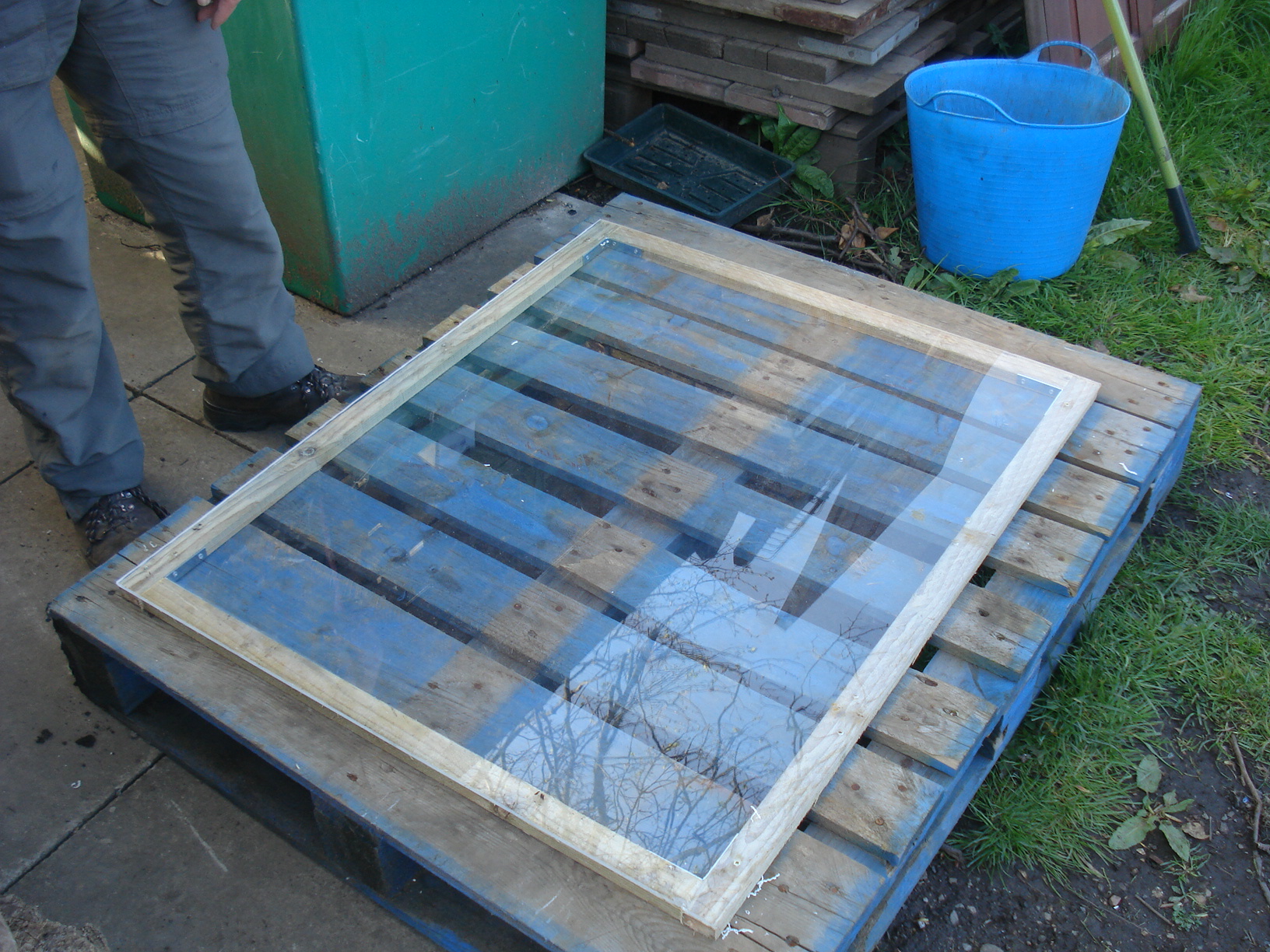
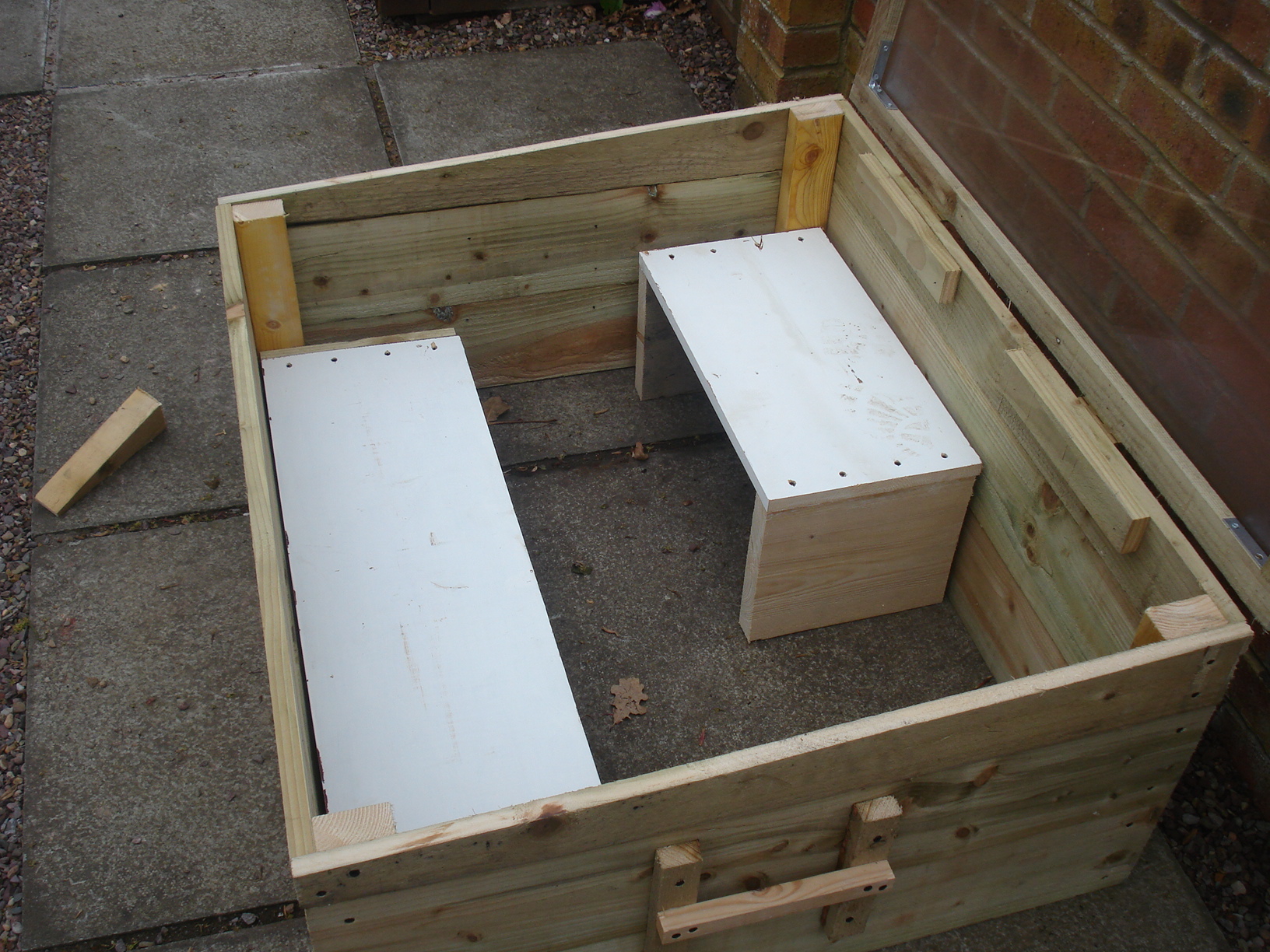
Last night when I got home Mr Mac was beavering away in his log shed. He had acquired some perspex and had decided to make me a coldframe.

Last year’s coldframe using our old front door!

Last year we cobbled together a temporary coldframe using our old front door and some wood nailed together. It did the job but it required super-human strength to open and close it.

This year we have created a slabbed area specifically for coldframes and Mr Mac decided he would build new ones as soon as he could acquire some perspex to use for lids.

Lying open on his work bench was the only book Mr Mac ever consults on gardening matters – Gardeners’ World Practical Gardening Course by Geoff Hamilton – “The Complete Book of Gardening Techniques”. I don’t remember Geoff Hamilton (too young) but I am assured by Mr Mac that he was the Alan Titchmarsh of the 80’s and 90’s.

In true Mr Mac style, he decided to make some tweaks to his gardening guru’s design only admitting, when I commented about the depth, that he should perhaps have stuck to the measurements in the book.

Anyway, here is how it was made:

The perspex was framed with wood.

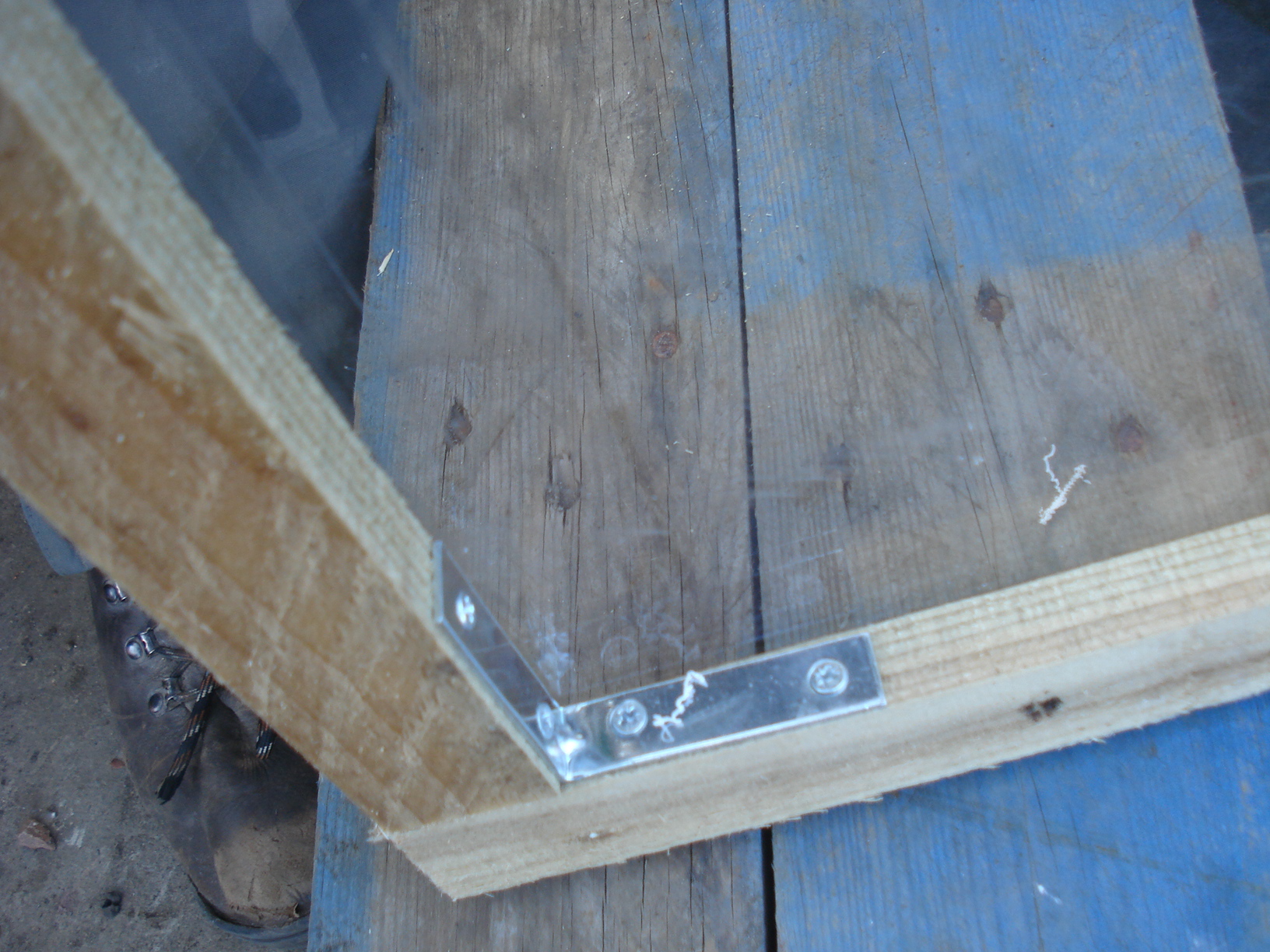
Not sure what these are but Mr Mac told me to take a picture of them.

The sides.

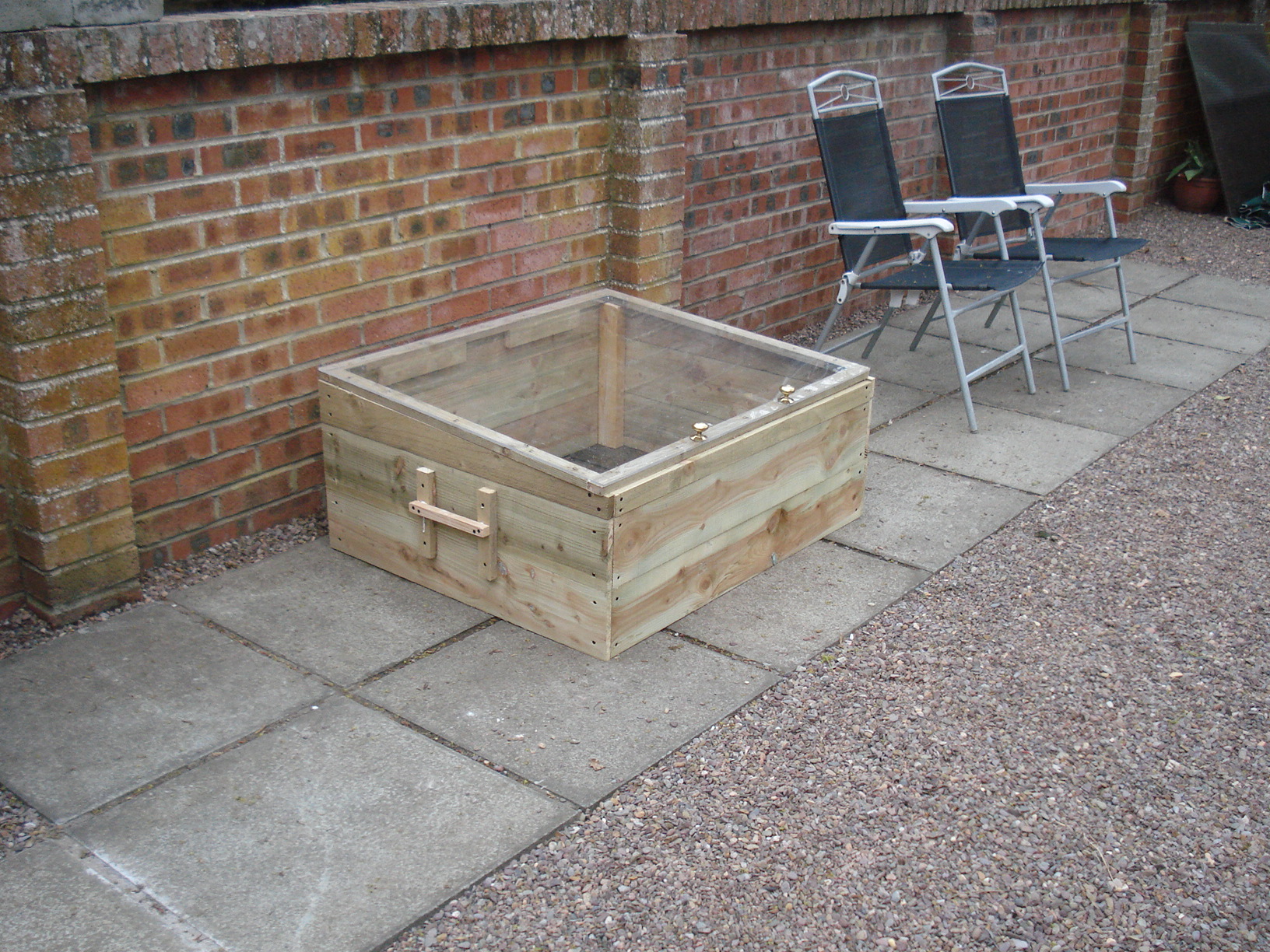
The lid is attached with hinges and two of our old wardrobe door knobs have been recycled. Note the bespoke carrying handles at the side!

In situ

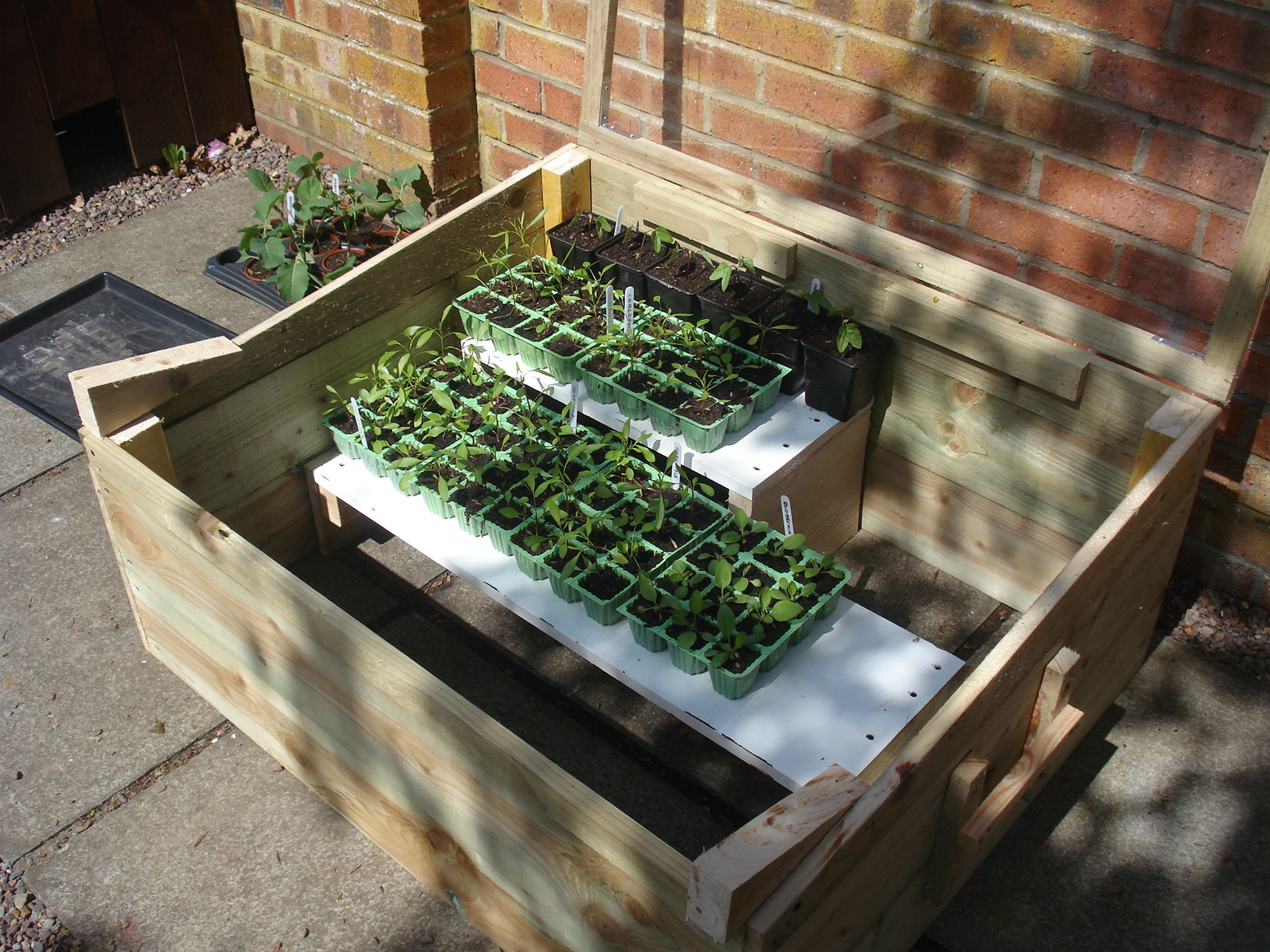
We both decided that, while it was a good depth for taller plants, smaller plants might struggle to get enough light. So first thing this morning, before he went to work, Mr Mac went out and made two removable shelves, both at different heights.

Some more perspex is on the way for another coldframe but for the moment I can at least start to get some plants acclimatised so they can be planted out later this month.

Happy Days!

Jobs for May

Well, for the first day in May we have some hazy sunshine and it is not raining! It is still quite cold though.

May is the month to start sowing outside and hardening off seedlings to plant out when the soil becomes warm enough.

Is anyone else getting a sore neck from gazing at the sky, wondering when the sunshine will return?

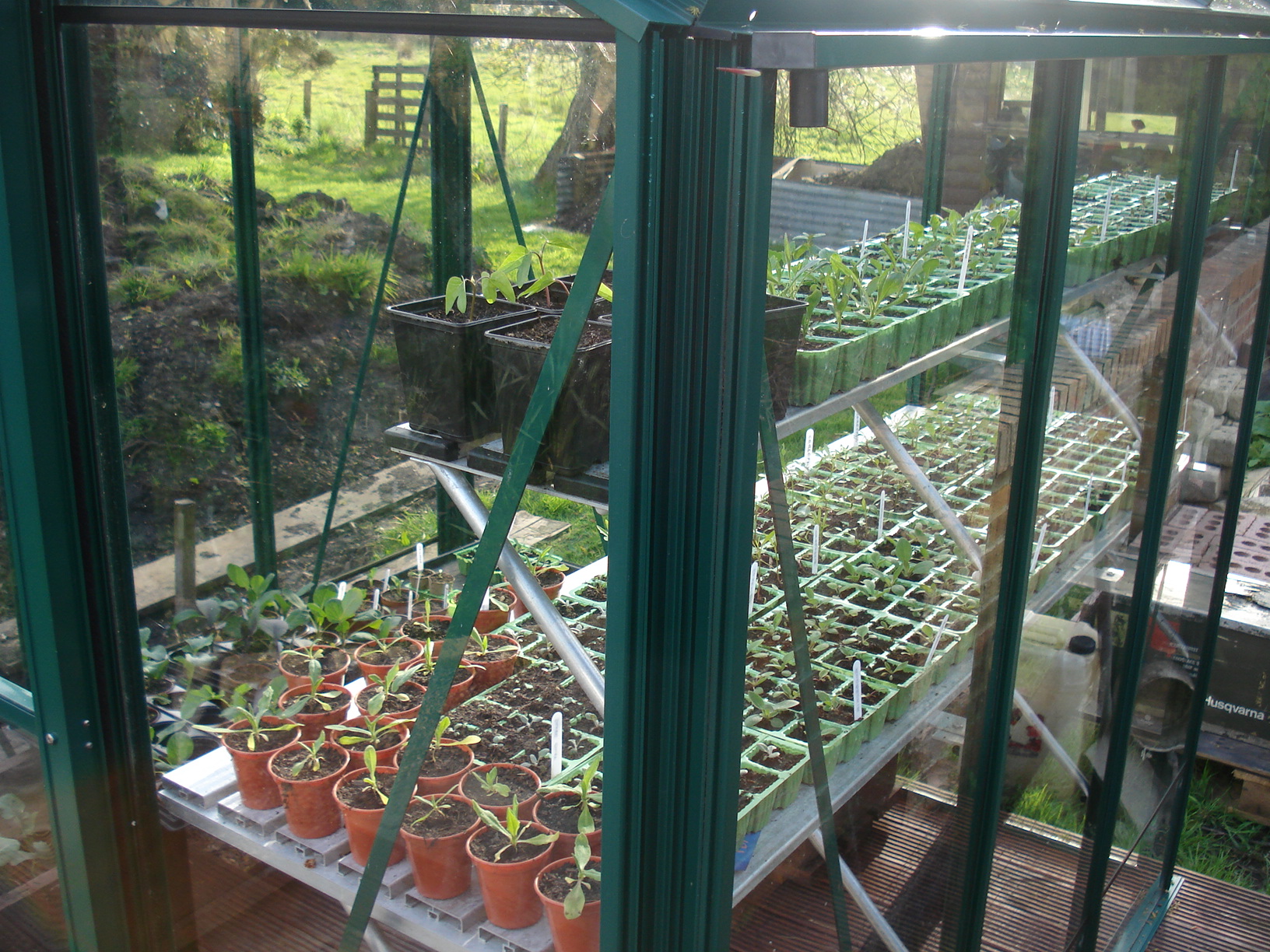
I have a bit of a backlog in the greenhouse. Lots of plants successfully germinated in March are ready to go into cold frames (which have not been built yet!) but after what happened in April I fear for their future if I put them outside.

Brassicas outside but kept under a net just to be on the safe side!

I put the brassicas out during the day and put them back inside at night but not only is there still a risk of frost damage, the slugs have slithered out of hibernation (do slugs hibernate?) and are starting to nibble. It’s like living in a war zone!


Anyway, I have checked the books, encyclopedia, manuals, handbooks and magazines and here is a summary of what we should all be doing in the month of May.

Jobs to do:

  • Harden off frost tender plants
  • Once the last risk of frost has passed, plant crops outside
  • Start watering newly planted fruit and any grown in pots
  • Keep an eye on the pest situation – flea beetle, slugs, snails, pigeons, aphids and carrot flies…where does it end…
  • Keep growing small quantities of salad
  • Hoe and weed regularly
  • Keep haunching up potatoes – we have still to sow the maincrops which should really have been done last week but I’m sure one week won’t make a huge difference.
  • Put in supports for peas and beans. We use the prunings (or whips) from the apple trees – the ultimate in upcycling!
  • Net fruit trees and bushes and check for diseases and pests
  • Remove raspberry suckers and strawberry runners
  • Support tall plants as they grow
  • Finally, remember to sit down and enjoy your hard work!

I am going to grow tomatoes, peppers, chillies, aubergines and okra in the greenhouse.  I have brassicas, leeks, shallots and celeriac ready to plant out but will probably wait until the second half of the month. I have sown some peas outside as well as beetroot and parsnips but I also plan to sow beans, spinach, Florence fennel and swedes.

So it is shaping up to be a busy old month!

The greenhouse is full!

Lessons learned in April

As April comes to an end I cannot believe I am writing this post sitting in front of the fire. I should be digging (pardon the pun!) out my shorts and SPF15! However, that happened in March and then they were swiftly put away again.

The weather has gone crazy. Three consecutive days of record breaking weather in March lulled us all into a false sense of security. April followed with double the amount of average rainfall and way below average temperatures. Not good news for my plants.

The good things…

After a false start, I have lots of flower seedlings which I am starting to harden off. So far I have sweet peas, livingstone daisies, cosmos, rudbeckia, coreopsis, gazania, silver dust, marigolds, snap dragons, morning glory, aster, Iceland poppies, ladybird poppies, petunia, diascia, gaillardia, sanvitalia, black eyed susan and zinnias.

On the veg front the early peas and carrots are coming along, as are the first early potatoes and leeks. The first lettuce leaves should be ready to eat in a couple of weeks and the pak choi won’t be far behind.

Outside I have managed to plant some more peas and some beetroot and parsnips.

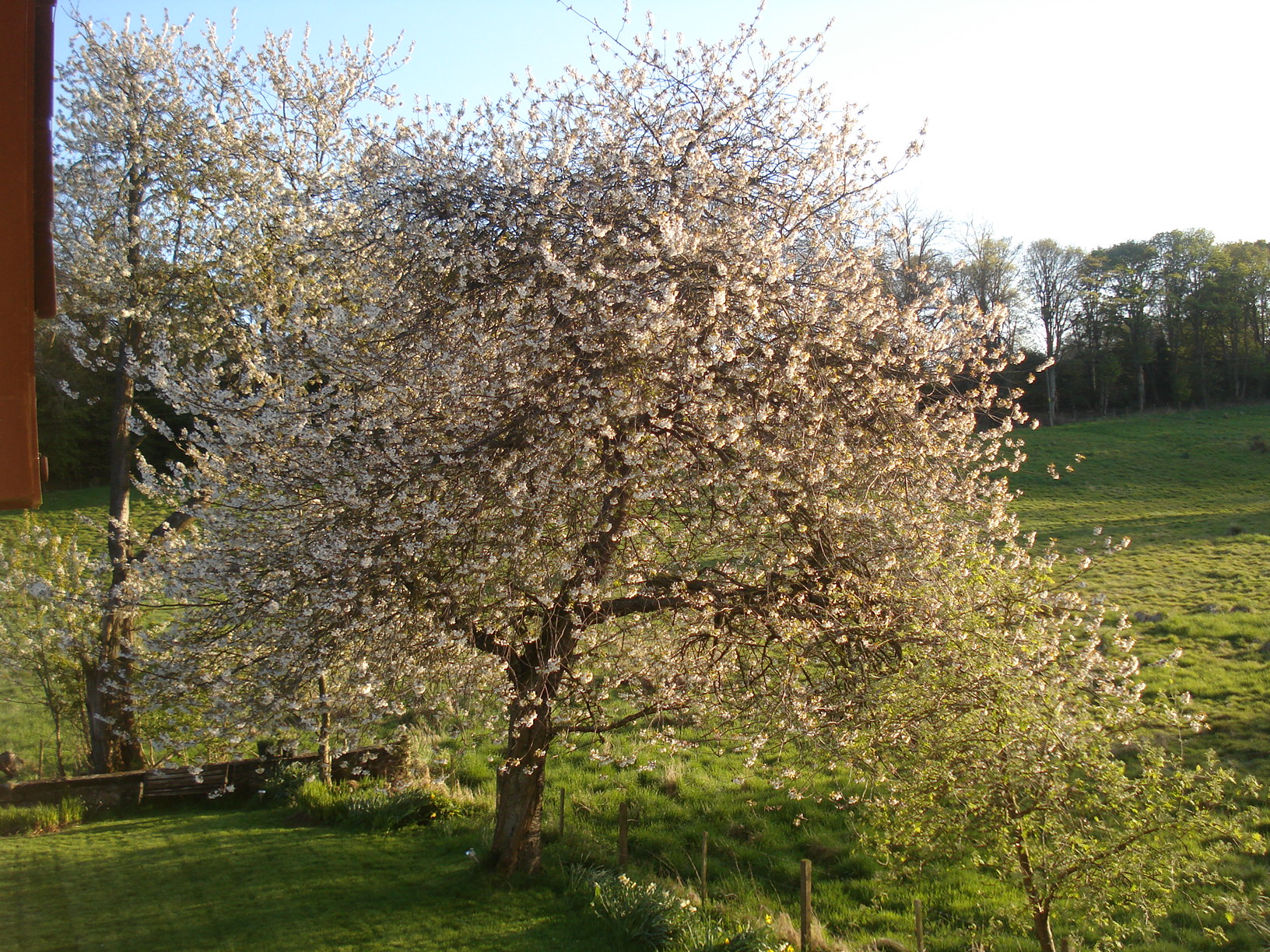
The blossom on the cherry trees was amazing, the aubretia plugs I bought last year are still flowering, as are the hellebores, the acquilegia grown from seed last year is about to flower and the oriental poppies are about to come out. So despite no tulips there is still a lot of colour in the garden.

The not so good…

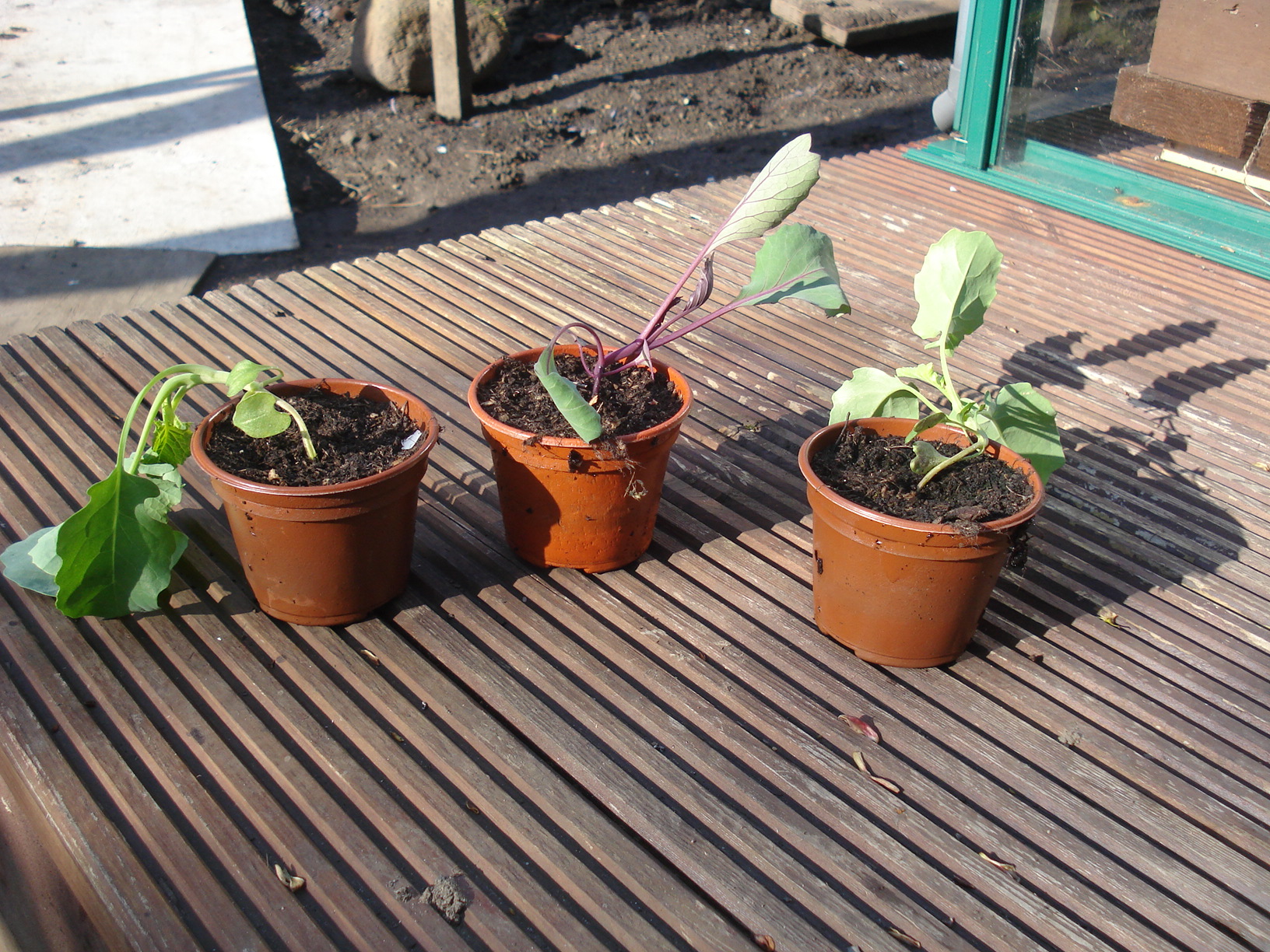
The cold, wet weather has really affected the fruit and veg seedlings. The 2 melon plants and 4 okra plants don’t seem to have grown at all this month and despite putting 2 of the courgette plants into growbags they seem to be rotting at the roots. The aubergine, chilli and tomato plants all look healthy enough but don’t seem to be getting any bigger and some of the brassicas have keeled over from the root. This is either due to over or under watering during the really hot spell in March or a condition called “damping-off”.

some of the brassicas have just keeled over!

I also managed to kill my sweet basil and lemon basil last week when I split it up into individual pots. I thought I was being clever by separating the individual plants but what I should have done is just separate it in clumps and put them in larger pots. I have started again!

Despite the appalling weather we actually got quite a lot done outside. Phase II of the path network is complete, one veggie patch prepared and put into use, the second veggie patch should be ready shortly, some shrubs were relocated, summer bulbs and tubers planted, millions of pots, trays and modules washed with water and bleach and the raspberry canes covered with nets. And, of course, weeding, weeding and then some more weeding!

Lessons learned in April:

  1. Even if tender plants are kept in the greenhouse, if a cold night is forecast, don’t water them all at 7pm. I did this, the temperature plummeted to -4 degrees and the water froze and killed the plants.
  2. When potting on basil, separate seedlings in clumps, NOT by individual plants. They will just die and you will have to start again. Alternatively, just sow a few seeds in the pot they will stay in so they don’t have to be disturbed at all.
  3. Put a marker in the ground where you plant bulbs and tubers so you know where they are.
  4. Be prepared for heartbreak! If a pheasant decides it is going to eat all of your chard, tulips and raspberry canes there is very little you can do to stop it.
  5. Cats appreciate freshly dug earth. Not all clumps of earth are what they seem…
  6. If, like me, to save space you sow 2 different types of seeds in the one seed tray, check the estimated germination time for each seed is roughly the same. Don’t do what I did and sow cosmos seeds beside verbena seeds. Estimated germination time for cosmos is 7-14 days. Estimated germination time for verbena…..2-3 MONTHS!
  7. A cup of tea and sticky bun at 3pm and a pint of cider with lots of ice at 6pm keeps Mr Mac happy while he digs.

Patience is a virtue, especially for gardeners!

Last year, while perusing the walls of seed packets at the garden centre, one packet caught my eye.

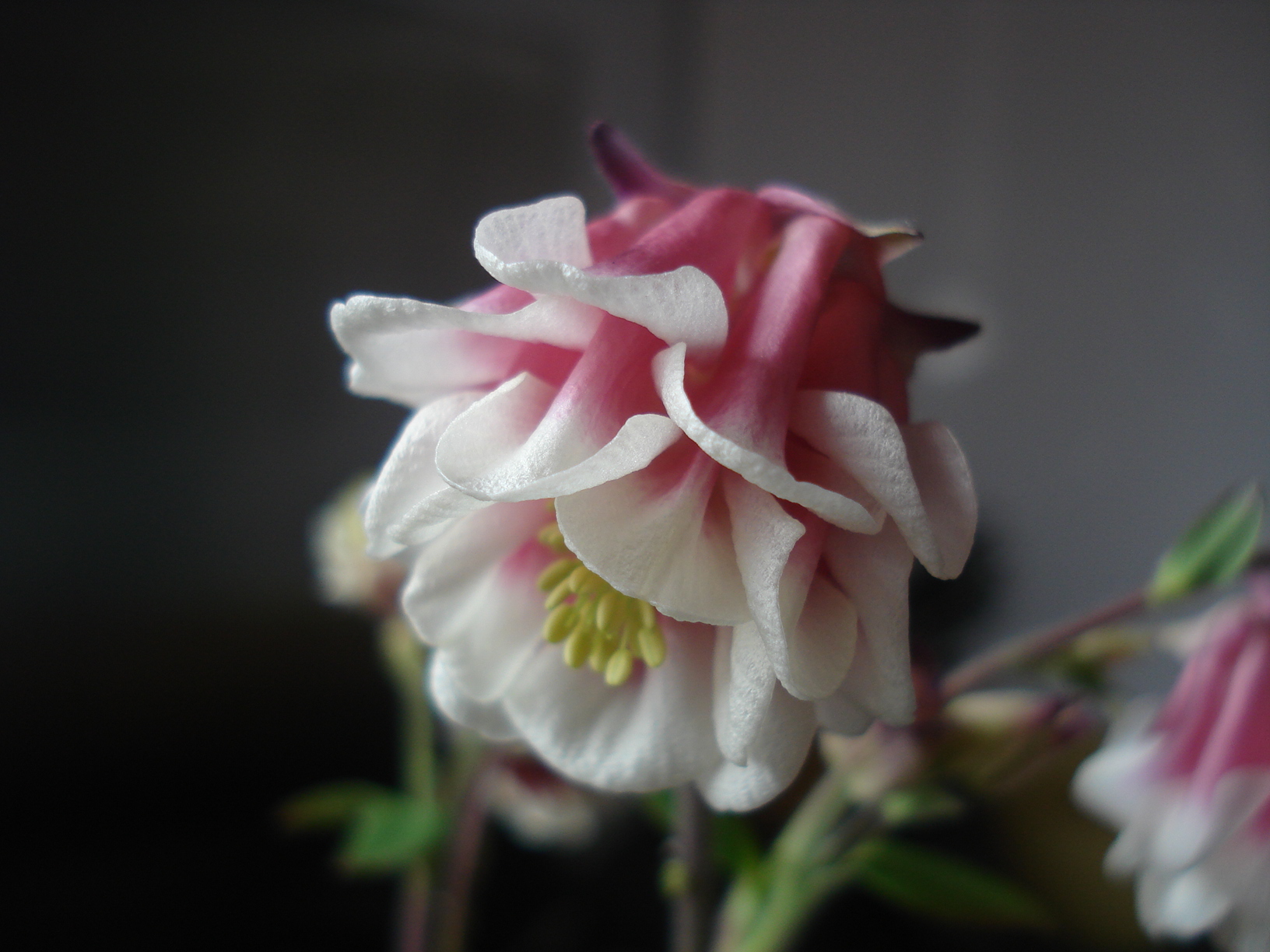
Acquilegia Petticoat Pink. The packet stated “early colour perfect in cottage gardens”. I was taken by the picture of the flowers: delicate pink and white frilly bells.

Reading the front of the packet it said to sow February to June, flowers May to July. Perfect, I thought, for some early colour and pretty little flowers.

Only when I got home and went to sow the seeds did I realise that they are a hardy perennial which flowers the year after sowing!

For novices reading this, a perennial is a plant which continues to grow for at least 3 years. It took me a while to learn that.

So although I had bought seeds for a plant that would not flower for at least 15 months, I would at least get a few years of benefit.

I planted the seeds on 20 April 2011, potted them on in June, kept them in a cold frame over the summer and planted them in the ground in their flowering position in September.

Finally, after just over a year of waiting, the first flowers have come out.

They are absolutely stunning. Smaller than I thought they would be and, in the ground, they look a bit spindly until they fill out, but a welcome addition of colour around the base of the apple and pear tree where I planted them.

I am so pleased with them I have bought some more acquilegia seeds called lime sorbet and, provided they germinate and grow successfully, I will plant them in between the petticoat pinks.

Once they have died back I also plan to plant the remaining tulip bulbs (the ones that did not get eaten by the pheasant!) in among them.