Oops!…thank you Monty Don

Some of you might remember I posted a blog on 30 March 2012 – Unidentified Growing Objects!

Weird pineapple shaped plants were sprouting underneath the livingroom window and I assumed they must be dahlias as that is what I had grown there last year. I was not 100% convinced though because they were not in the same place and all the foliage was the same. I planted 4 different types of dahlia with dark green to lime green foliage and, in fact, waxed lyrical in my blog about the variety this provides even before the plants flower!

Anyway, last night we had our regular Friday night date with Monty Don on Gardeners’ World. Monty was seen bringing pots of pineapple shaped plants out of his shed, ready to plant them outside.

I said to Mr Mac, “Oh look, Monty has the same dahlias as me. Let’s see what he does with his.”

But Monty did not start talking about dahlias. Oh no. He started telling viewers all about his collection of………….lilies!!!!!!!!!!!!!!!!!!!!!!!!!

My chin dropped into my glass of chenin blanc (don’t worry, I did not spill any).

Then it all started to come back to me. Last year we grew some asiatic lilies in pots on our deck. They were stunning when they flowered but the display was over too soon. We must have needed the pots for something else and so emptied out the lily bulbs and planted them in the ground. I can’t really remember!
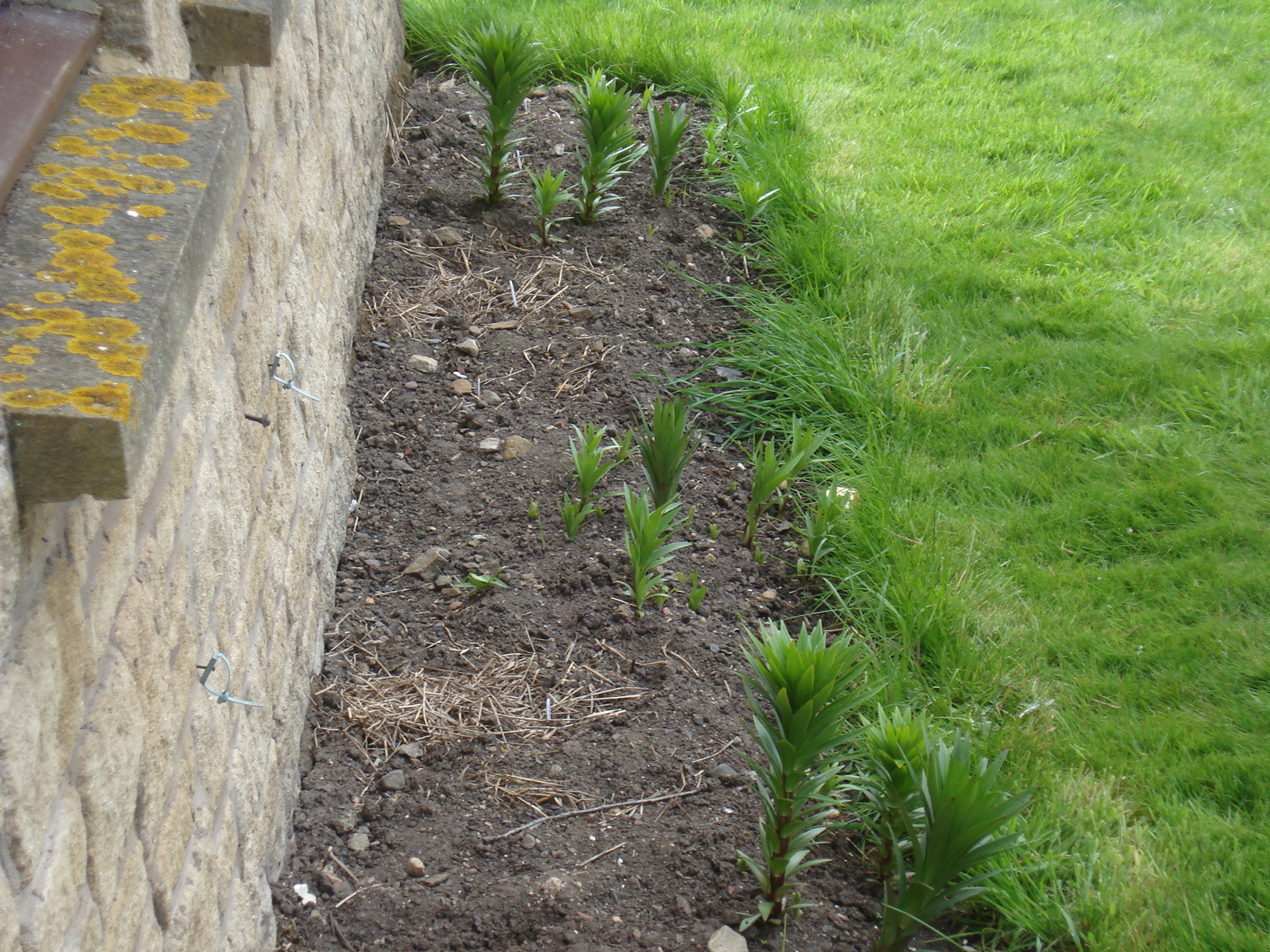
Anyway, it has resulted in a happy accident. We will have some lovely lilies while we wait for the dahlias to grow. No sign of them yet though….


Lessons learned:

  1. Always write down what you plant, when you planted it and where. When I plant things, it always seems obvious at the time but 2 weeks later when you have planted 100 other things in the meantime, things get blurry! See my blog about my muscari for a prime example.
  2. Place a little marker in the ground so even when there is nothing there you will know there is something underneath the ground. This happened recently when Mr Mac dug up all my echinacea plants only to find the marker afterwards! That was how he realised it was echinacea and not weeds!
 

Best of friends – a quick guide to companion planting

My seedlings are all coming along nicely…they just need a bit more sunshine!

As well as my usual veg I have also planted loads of French marigold and sweet basil seeds to act as “companion plants”. I can’t remember where I first came across companion planting, but when I sat down to write this blog I checked my gardening books to see if I could pick up any interesting information or tips and was amazed at how little is actually written about this subject.

The internet is different, with everyone and their dog having an opinion about what is best. At the end of the day it all boils down to what you grow and where you live.

Companion planting is when you grow two or more types of plant closely together for mutual benefit.  There is a lot of talk about it being an organic method of pest control. I am not trying to be organic and would use chemicals as a last resort but as I am growing most of the “companions” anyway, why not just plant them where they will benefit another plant?

Most companion plants are strongly scented and confuse pests looking for their host plant. Others attract beneficial insects, such as ladybirds and lacewings, which prey on aphids. Some attract pollinators, like bees.

As I mentioned above, I grow marigolds and basil – these are my top 2 companion plants. I must admit I am not that keen on marigolds or their smell. I have flashbacks to the 1970s and tidy gardens edged with marigolds – the height of sophistication at the time! However, if you look at any list of suitable companions, marigolds appear the most.

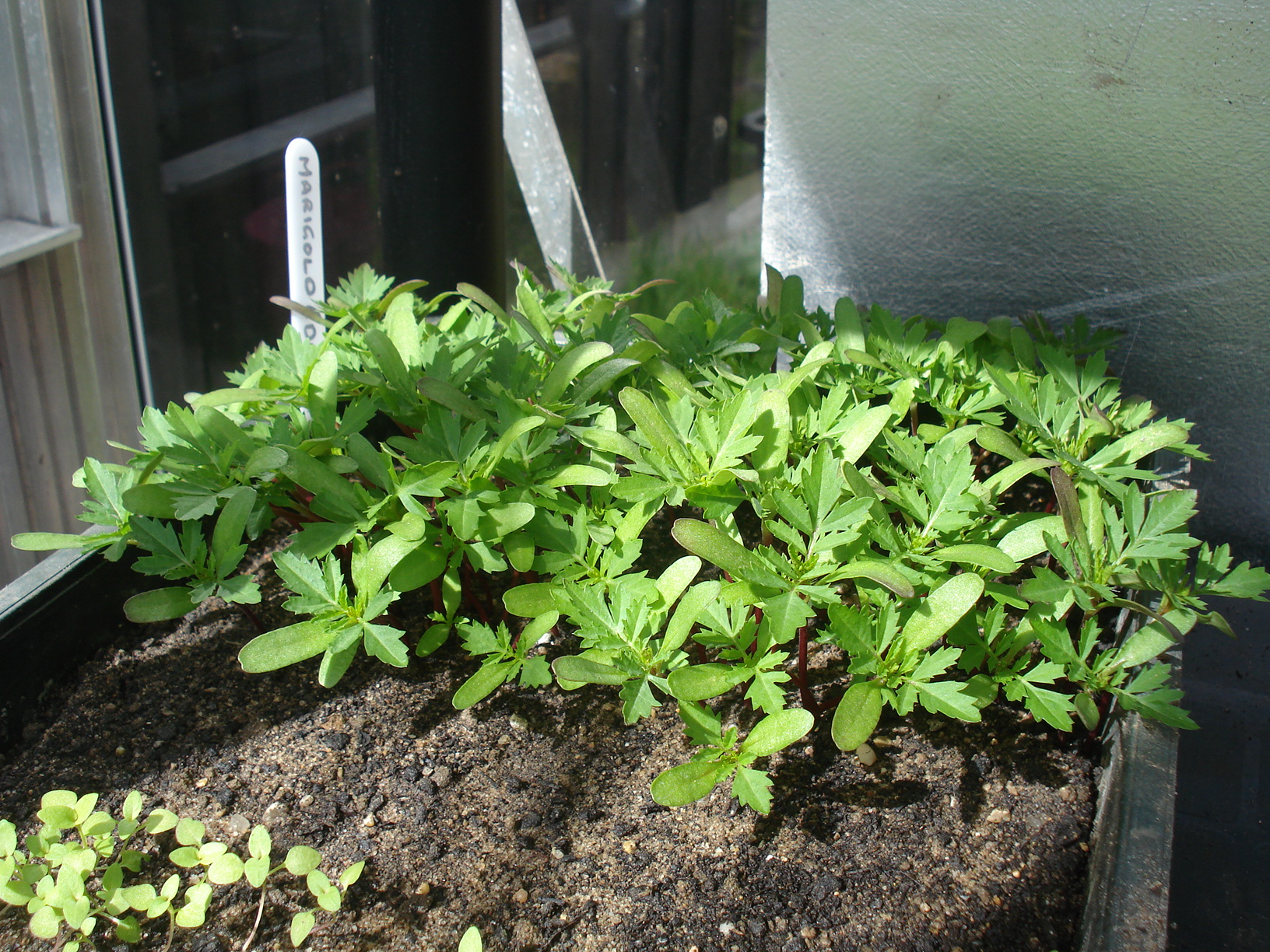
Marigolds ready for action!

I keep loads in the greenhouse and also plant them among my veg. The smell repels many insects. They also attract aphid eating hoverflies and keep whitefly away from tomatoes.

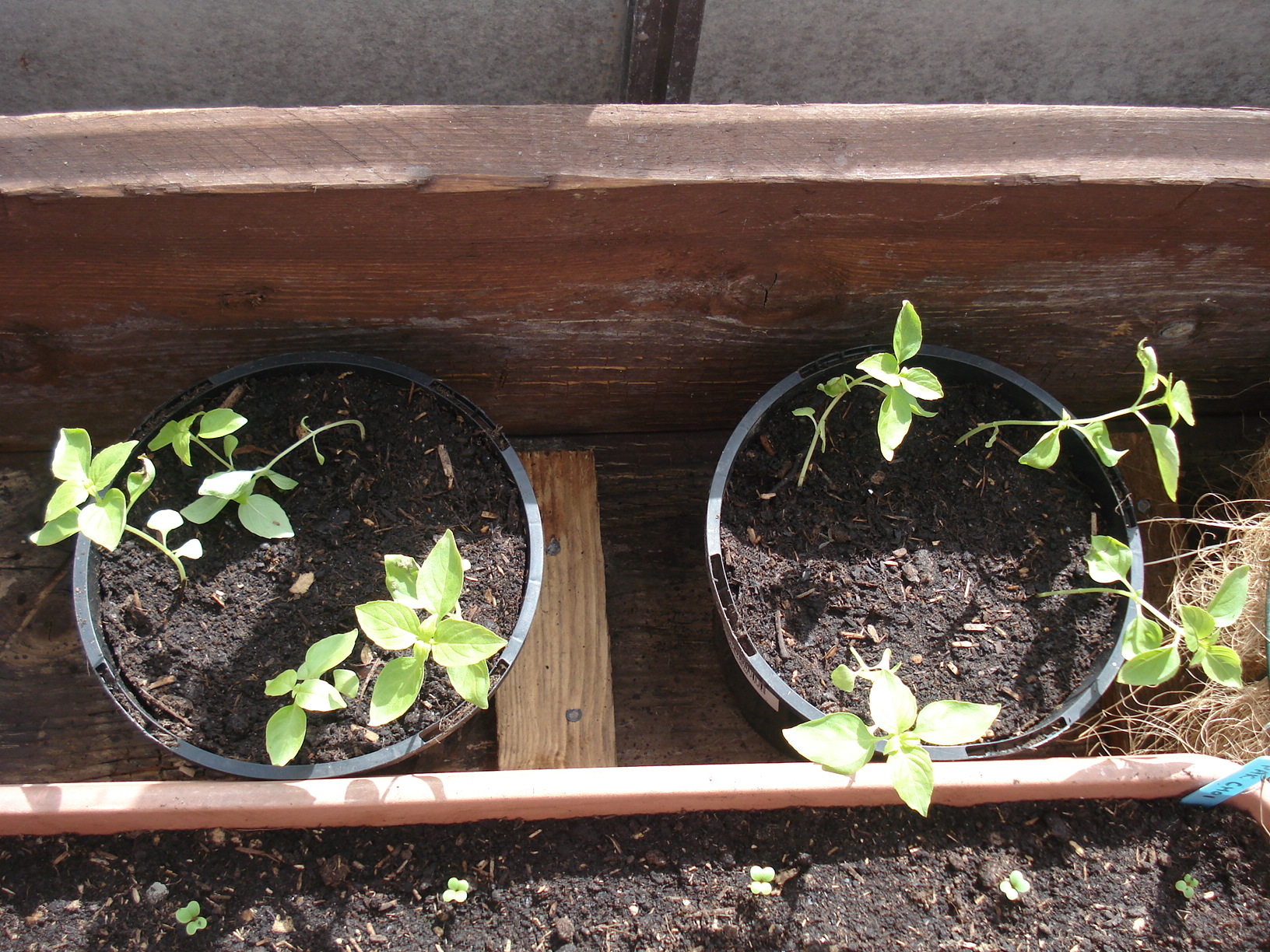
As for the basil I plant this between all my tomato plants as it is supposed to keep whitefly away. It is also perfect for picking at the same time as tomatoes for that classic combination! I have also learned that the shade provided by the tomato plants helps to stop the basil going to seed.

Basil coming along nicely!

Other top companions to try:

  • Garlic chive – when planted alongside carrots, its strong scent confuses and deters the carrot root fly, which can normally smell carrots from up to a mile away.
  • Lavender – attracts a range of pollinators, including bees, butterflies and hoverflies. Its strong scent can also deter aphids. Plant with carrots and leeks to confuse pests.
  • Sage – is strongly scented and will confuse pests of brassicas if planted alongside them. Its blue flowers attract bees and hoverflies, which also pollinate crops.
  • Thyme – makes a good companion plant for roses, as its strong scent deters blackfly. A tea made from soaking thyme leaves and sprayed on cabbages can prevent whitefly.
  • Nasturtiums – when planted with French and runner beans, the nasturtium acts as a sacrificial crop, luring aphids away from the beans. Its attractive flowers help attract beneficial insects, which prey on aphids.
  • Fennel – if left to flower it produces attractive yellow blooms that attract hoverflies, which prey on aphids.
  • Mint – the strongly scented leaves of mint confuse pests of carrots, tomatoes, alliums and brassicas, and deter flea beetles.

The combinations are endless and it depends what you are growing and what works for you. Last year my friend simply planted garlic beside everything she grew. This year, as well as the marigolds and basil, I am going to plant lavender among my leeks and sage between my brassicas.  It may all be an old wives tale but what is the worst that can happen?

Chives and mint
Lavender

Fingers crossed for a pest-free season!

Speedy suppers – mango chicken with couscous

Being quite far north in the UK we have the benefit of light nights in the summer. Already Mr Mac and I have still been out working in the garden at 9pm (just once though!).

At this time of year when there is so much to do outside, it is great to be able to work well into the evening. The last thing you want to do is spend hours in the kitchen making dinner.

I found a little booklet last week called 25 Quick Fixes – meals in 20 minutes or less! There are some great recipes for quick but tasty meals. I tried this one and it was delicious…and it definitely took less than 20 minutes to make.

Ingredients (serves 2)

  • olive oil
  • mini chicken fillets about 350g or just cut 2 chicken breasts into thin strips
  • ground cumin 2 tsp
  • chicken stock  300ml hot
  • couscous 150g
  • mango chutney 3 tbsp
  • spring onions 4 sliced into 3cm pieces
  • coriander a small handful roughly chopped

Method

  1. Heat 1 tbsp of oil in a wok or large frying pan. Sprinkle the chicken with the ground cumin and cook for a couple of minutes until lightly browned.
  2. Pour 200ml of the chicken stock over the couscous and leave to soak for 5 minutes.
  3. Add the mango chutney to the chicken, stir well and leave to bubble for 2 minutes.
  4. Add the remaining chicken stock and spring onions and cook for 5 minutes or until the chicken is cooked through.
  5. Fluff up the couscous with a fork, stir half the coriander through the couscous and the remainder through the chicken.
  6. Serve and enjoy!

For the health concious among you each serving has 505 calories and 10.4g of fat.

Take the lettuce leaf challenge!

Now that the weather is (supposed to be) getting warmer, thoughts turn to salad rather than hearty, warming soups. However, it breaks my heart having to buy lettuce, especially when I know my own will be ready to start eating next month.

I was looking at the price of bagged lettuce in the supermarket. Prices range from 80p to £2.00. I go through a couple of bags a week  so if I spend an average of £3 per week on lettuce from April to September, that works out about £72!

(I do realise I could spend less on an actual lettuce and cut it up myself…but I’m lazy!)

Now I have never had much success growing whole lettuce, whether it be cos, little gem, iceberg or butterhead. However, lettuce leaves of the “cut and come again” variety, thrive.  I believe even the most neglectful gardener would find it hard to kill them off! You don’t even need a garden to do this.

For less than £10 you can have an endless supply of lettuce leaves on your windowsill, at your back door or in your greenhouse, all summer long. All you need are some pots, some multi-purpose compost, crocs for drainage and a selection of seeds.

I use Suttons “speedy veg” lettuce, some of which can be ready to eat in as little

"speedy veg" - ready in 3 weeks!

as 3 weeks, some rocket, spinach and perhaps lollo rosso for some colour. Make sure each packet of seeds contains around 500-1000 so it will last all summer.

Put some crocs (broken crockery or gravel) in the bottom of a pot and fill it with compost. Next, I get an egg cup and open each packet of seeds. Pour a little from each packet into the egg cup, mix together, then sprinkle over the surface of the compost, cover lightly with some more compost and water in.

In 3 to 4 weeks you can start picking and eating the leaves. The “cut and come again” type should last a few weeks so every 2 or 3 weeks sow another pot and by the time the first one is finished you will have a new pot all ready to tuck into.

I have used one side of a small growbag. These are the seeds I started last week. In a couple of weeks I'll sow some more in the other half of the growbag.

Keep the pots in a bright sunny place close to the kitchen.

Keep the compost moist, never let it dry out.

Keep a look out for slugs and snails.

Sow little and often .

Think of what you can buy with the money you’ll save!

Enjoy!

Recession friendly plant supports

In these times of austerity, it is alarming how much a quick trip to the garden centre can cost. All the bits, bobs and gadgets you think you need soon add up.

There are lots of ways to save money:

  • Our local garden centre has a 10% off day every Wednesday. You may only save a couple of pounds but over a whole summer of weekly trips this soon adds up to a substantial saving.
  • Larger chains also have some great deals and 10% off weekends. Keep a note of what you need and wait until you can get a discount.
  • Try growing your own flowers and veg from seed rather than buying plugs or garden ready plants. I calculated I saved over £180 by buying a packet of livingstone daisy seeds for £1.99.
  • Make your own compost.
  • Rather than buying cell trays for plants, save up yoghurt pot and tins, small and large and make some holes in the bottom.
  • Use the inside of a toilet roll for starting long rooted plants such as sweet peas or beans. The cardboard can be planted into the ground without disturbing the roots.
  • Subscribe to gardening magazines to save money on the cover price and benefit from the free packets of seeds they all seem to be giving away with each issue.
  • We have a local “freecycle” website where people advertise anything they want rid of. The purpose is to try to stop items being sent to landfill but quite often people will advertise excess plants or garden equipment they are giving away. It’s worth a look. I got rid of over 100 jerusalem artichoke tubers this way.
  • Look at what you have lying around that would do the same job. Instead of spending £6 on a dibber and dobber use a pencil and a fork!

Anyway, I digress.

This year we promised to make more of an effort to stake up all of our plants that need support. This means supporting plants as they are growing rather than sticking a bit of wire in the ground and wrapping some string around the plant when it is already lying at a jaunty 45 degree angle!

We have a clump of beautiful blue delphiniums and every year they just flower, then it rains and they fall over. They are about 12 inches tall at the moment, so bearing in mind our resolution to do the right thing by our tall plants I started to look at websites and magazines to see what kind of plant supports were available.

Let me tell you there is very little for under £10…and we need quite a few! Mr Mac promptly advised me there was no way he was spending £10 on some bent wire and disappeared off to his shed.

He came back with some lengths of wood (2×2 I am reliably informed), some fence paint, some fence wire, a pair of pliers and 2 screws.

This is how he did it


The wood was cut to the required length then painted with fence paint.

Dennis helped

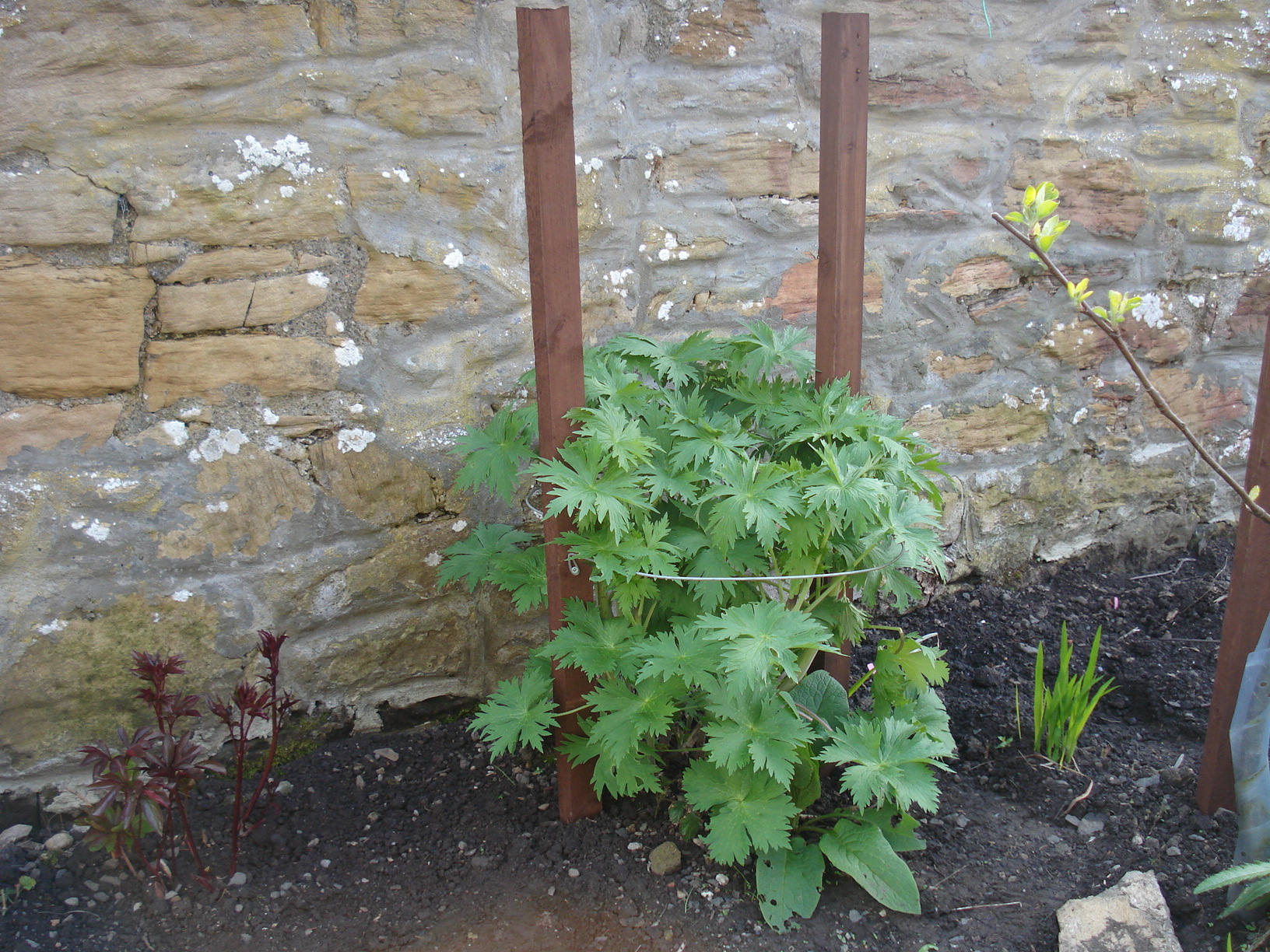
A stake was hammered into the ground either side of the delphiniums. They grow against a wall so no support was needed at the back. The fence wire was bent and each end looped with the pliers to allow the screws to fix the wire to the stake.

The finished article. As the plants grow they will cover the stakes and more wire can be attached to support them when they grow taller.

The plants will grow around the stakes so you will never see them. I was also impressed that Mr Mac has pre-prepared 2 more lengths of wire to attach to the stakes as the plants get higher. This is so he has no excuse for not adding support as the plants grow, defeating the purpose of have a support in the first place.

I asked Mr Mac what he thought his plant support cost. He worked it out and it cost less than £1!

Speedy compost and decoys

Well what a week it has been. I spent most of the time doing the greenhouse hokey kokey…in, out, in, out, have a cup of tea…trying to dodge the showers.

The good news…

It was time to turn the compost for the first time since creating the new bays. I timed Mr Mac and it took just over 30 minutes. A huge improvement on 2 years! He just used a fork and lifted the compost over into the empty bay. I ripped up some cardboard and threw it in too to add some carbon. I have also learned that adding cardboard can also stop the compost heap smelling! We shall see….

The middle bay was full and ready to be turned into the bay on the right.

30 minutes later..all done

All of the new waste is now on the bottom and lots of air has been introduced to help it break down quicker.

And the not so good news…

The pigeons got the blame for eating the chard and the tulips. However, we then noticed the rasberry canes had all been stripped of shoots and leaves up to a height of about 3 feet. There is no way pigeons could have done that. Perplexed, we spent the day building frames to support nets over the raspberries and at 5am the following morning, Mr Mac got up before any of the birds, set a trap and sat at the back door Elmer Fudd style…waiting.

Mr Mac

Do you know what it was?

It was the pheasant! He has been wandering around for a few weeks now but we had never seen him in the garden. He makes a very loud “caw, caw” noise, followed by flapping his wings so you can hear him, even if you can’t see him.

One morning he woke us up and I even joked that he was so loud it sounded as if he was at the bottom of the bed! That was probably the same morning he ate all the tulips!

Fear not! He is still alive and well but we are following his movements closely and if he comes anywhere near the garden he gets chased away.

We are still not convinced the pigeons are entirely without blame for all the damage. I watched a programme recently about the London Underground. They have so much bother from pigeons at depots and stations that they employ a hawk which scares away the pigeons.

I half joked to Mr Mac that perhaps we should get a hawk to scare away the pigeons. He told me I was a genius and went next door to see Wallace. His real name is John but I call him Wallace because he was the inspiration for Wallace and Gromit. He is always designing gadgets from bits and pieces lying around.

Anyway, this is what they came up with…

Our decoy hawk - terrifying!

He is made from plywood and is attached to a bendy bit of metal so he “wobbles” in the wind.  Wallace is currently designing some form of swivel mechanism.

Apparently, a second decoy was also produced but he looks more like tweety pie!

Tea Break – Lemon drizzle cake

This is a great cake for your afternoon tea break. The lemon gives you a hint that summer is on the way but in cake form it is the perfect comfort food. Slice it up and keep it in a sealed container for up to a week……if it lasts that long!

Ingredients

  • 175g unsalted butter, softened
  • 175g caster sugar
  • Finely grated zest of 3 lemons
  • 3 medium eggs
  • 175g self-raising flour
  • A pinch of sea salt
  • A splash of milk (optional)
  • 200g icing sugar
  • 75ml lemon juice

Method

  1. Grease a large loaf tin, 1 litre capacity and line the base and sides with baking paper.
  2. Put the butter and sugar in a large bowl and beat together until pale and fluffy.
  3. Add the grated lemon zest and then beat in the eggs one at a time, adding a spoonful of flour with each (to stop the mixture curdling).
  4. Sift the remaining flour and salt into the mixture and fold in lightly using a large metal spoon. Add a little milk, if necessary, to achieve a good dropping consistency.
  5. Spoon the mixture into the tin, smooth the top and place in an oven pre-heated to 170C / Gas Mark 3. Bake for 45-50 minutes, until a skewer inserted in the middle comes out clean.
  6. Put the icing sugar in a bowl, add the lemon juice and stir together until smooth. Leaving the hot cake in the tin, use a fine skewer to make holes over the top of the cake, going quite deep but not all the way to the bottom. Spoon the lemon icing slowly over the cake so it all soaks in.
  7. Leave in the tin until cool, then turn out and serve in slices.

Something is eating my garden!

I went down to the greenhouse this morning to put my brassicas out in the sunshine to harden them off and noticed a couple of bulbs lying on the path. Then I followed the trail of destruction that led to 5 empty planters which, as of yesterday, were full of tulips just ready to open their flowers.

the flowers have been eaten right down to the soil and the bulbs pulled out!

Total devastation!

We had planned to move them into the front garden today but now there is nothing left.

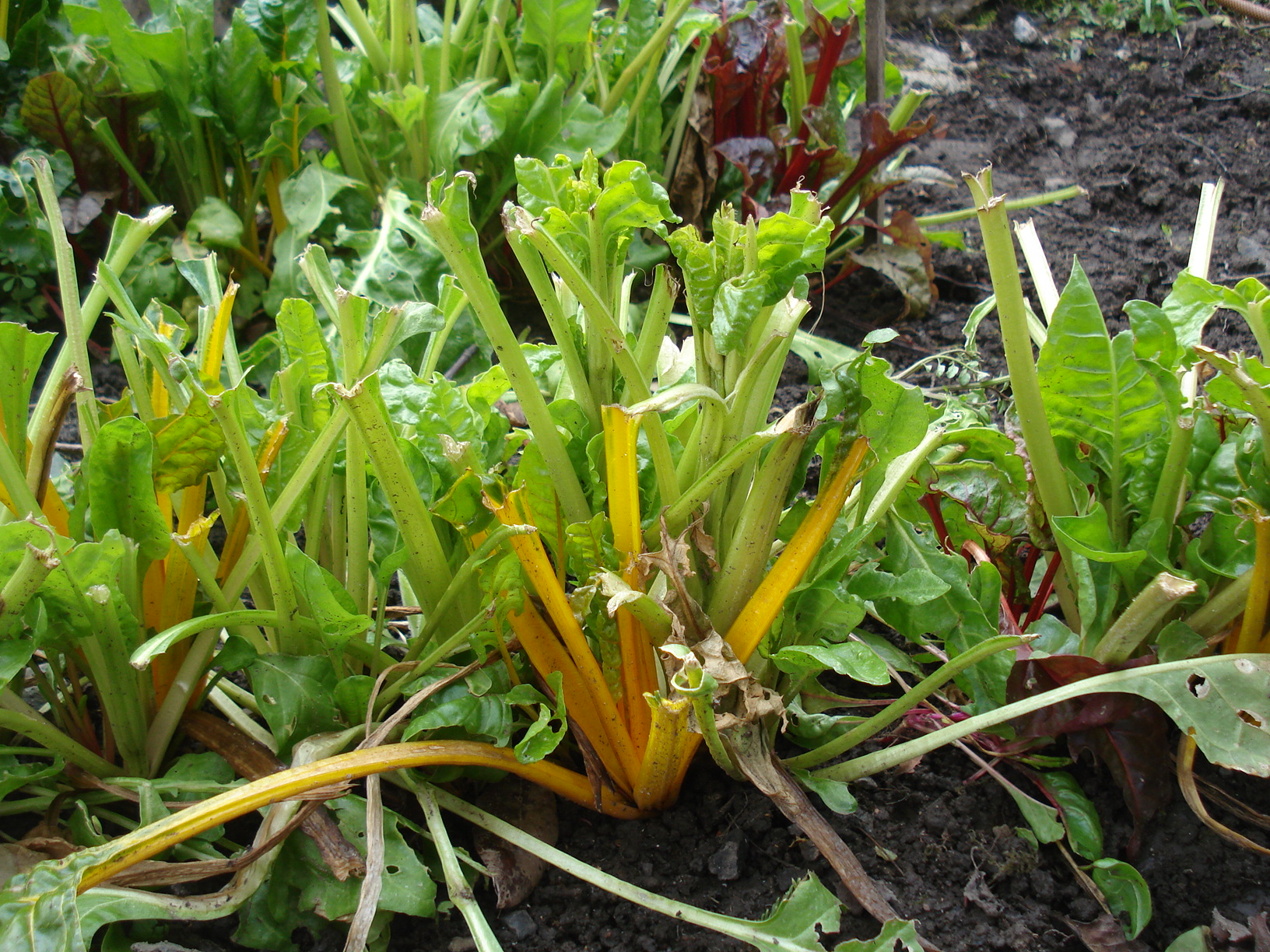
Earlier this week we also had to dig up 2 rows of rainbow chard which was also being eaten by something.

The chard, slowly getting nibbled

CHIEF SUSPECTS

Pigeons are the top suspects. I have noticed a lot of them flying around and sitting in the trees. The damage to the chard would indicate it was pigeons but I don’t see how they would be able to eat the tulip plants and be able to pull the bulbs out. We have not been bothered by pigeons before but then we have never grown chard or tulips before.

Rabbits are 2nd favourite. We are surrounded by fields which are full of rabbits although we are not usually bothered by them as we have two employees of the furry, four-legged variety who catch them. I could see the rabbits eating the chard but the tulips would be too high for them to reach – unless they carry a ladder!

The final suspect – deer. This year we have seen a record number of 7 deer in the fields beside us and they are becoming used to our presence, grazing right up to our fence. They eat grass, but do they eat tulips and chard? I don’t know.

Two outsiders

There is a fox which wanders around but we scare it away if it comes too close. Could he be a vegetarian? There is also a pheasant wandering around looking for a girlfriend – would he eat chard and tulips?

I am devastated about the tulips as we had looked after them all winter and they were going to produce a stunning display. That’s gardening for you though.

Thinking about it, something was attracted to the chard and after we pulled it out it has looked for the next best thing – tulips! Perhaps we should have left the chard as a decoy.

Here is one tulip that had come out. Really beautiful.

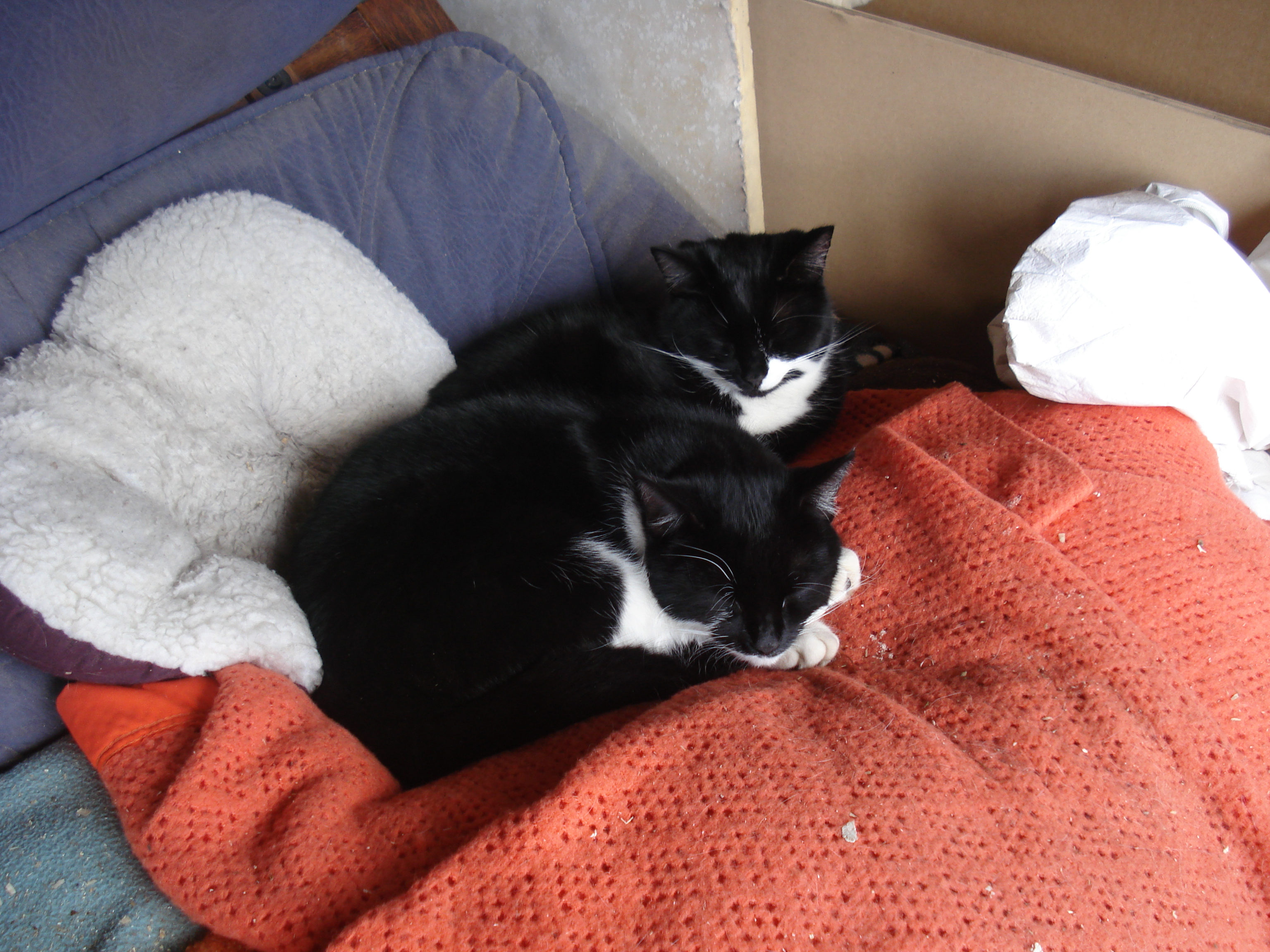
Could this be the reason why?

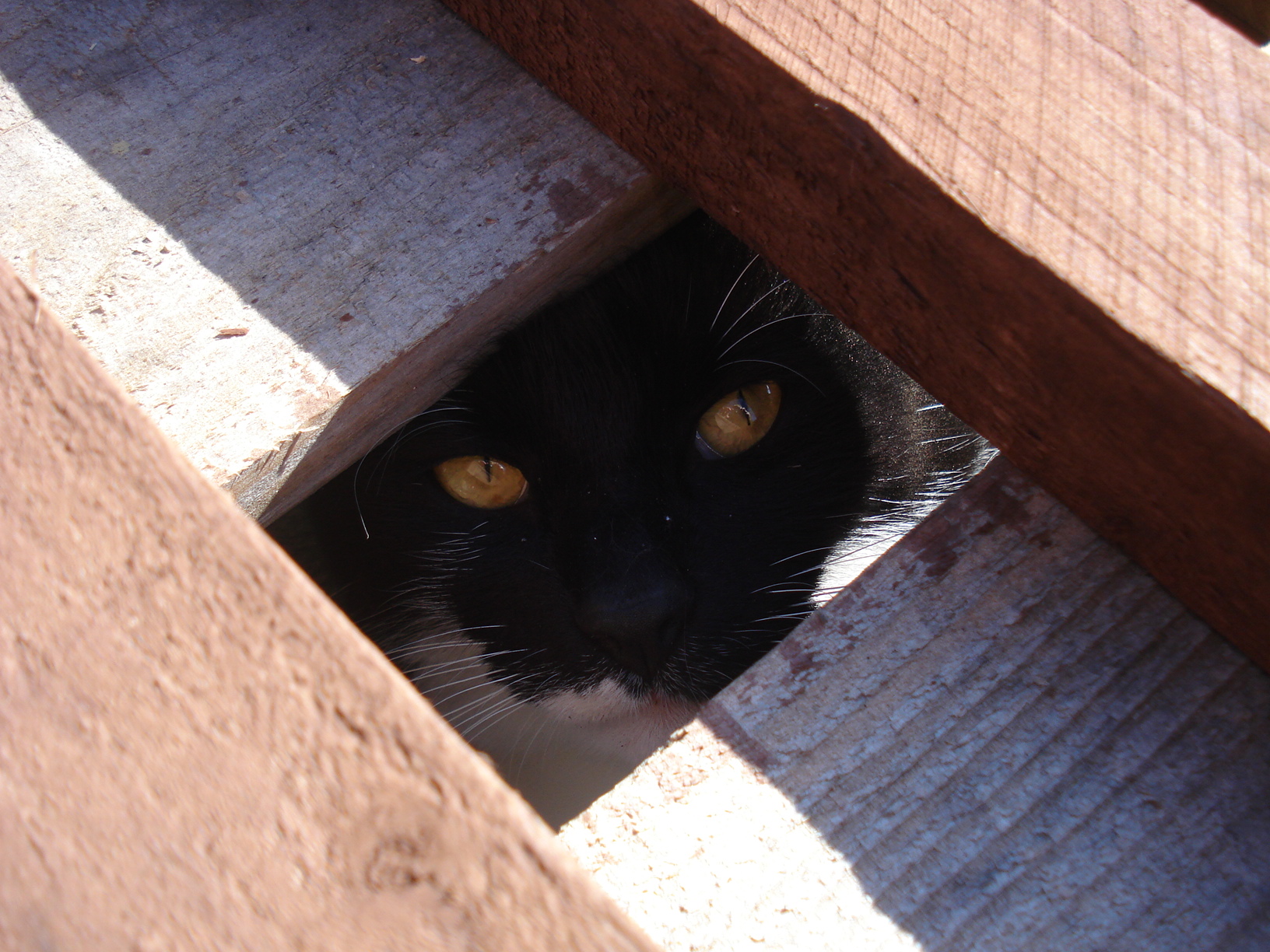
I am going to have to have a serious word with these two!

The easiest rice pudding ever!

I love rice pudding but I always felt the amount of effort was not worth it (I must have a rubbish recipe).

Recently, we were having friends over for dinner, one of who was dairy and gluten intolerant. This caused my brain to ache slightly. Our brief was to stick to vegetables and rice (I forgot to mention they were both vegetarian). My first instinct was rice pudding but then I realised it was full of cream, butter and milk which were off the menu!

One evening Mr Mac and I had a thai curry for dinner. I always misjudge the amount of sticky rice to make (the instructions on the side of the packet are in cups – I think I use mugs!) and we end up with enough to eliminate third world famine. The other annoying thing is we only ever use half a tin of coconut milk. The other half goes in the fridge and then gets thrown out after a month when I find it again!

Can you see where I’m going with this? Mr Mac suggested trying to make a rice pudding using the leftover rice and coconut milk.  It took us a while to get it right but we impressed our friends and now feel smug about not wasting food.

It is worth playing around with it to suit your own taste but this is what we do:

Ingredients (for 2 people)

  • Rice – whatever the packet suggests for a portion per person. We have used pudding rice and also leftover thai sticky rice and both work equally well.
  • 200ml (or half a tin) of coconut milk
  • 3 tablespoons of brown sugar (or to taste)
  • 1 vanilla pod
  • 3 or 4 cardomams
  • sliced mango for a garnish

Method

  1. Cook the rice as per instructions on the packet, drain and leave in a bowl.
  2. Put the coconut milk, sugar, cardomams (I bash them to get the seeds out but put the whole lot in the pan ) and vanilla pod (slice it open to release the seeds but put the whole lot in the pan) in a pan and warm through gently until all the flavours have infused into the milk.
  3. Once you are happy with the taste of the milk, strain it through a sieve over the rice. WARNING do not do what I once did and strain the milk over the sink only realising what a prize idiot I was when the last of the milk disappeared down the plughole!
  4. Mix the rice and milk together and eat straight away or leave until later and warm it up in the oven. Some sliced mango over the top finishes it off nicely.

You can mess around with other spices like cinammon or add nuts, and orange and lemon zest.

The beauty of this dish is it can be eaten straight away, eaten cold or made well in advance of guests coming leaving you time to be an attentive host.

It is also naturally free from dairy, eggs, soy and gluten so can be eaten by virtually everyone (unless you don’t like rice or coconut).

Enjoy!

My favourite livingstone daisies

Our first few years at this house were spent renovating inside. The garden was neglected other than cutting the grass, some emergency tree surgery and seeing what plants we had inherited.

There was an overgrown bush in front of the kitchen window which blocked our view of the gate. It was also a jaggy bush and as Mr Mac has made it his mission to eliminate all things jaggy from the garden,  it was pulled out and burned.

This did leave us with a large area to fill and so off we went to the garden centre to buy a selection of bedding plants to give us some colour for the summer. After parting with £50 of his hard-earned cash Mr Mac announced that from then on I could grow my own flowers!

We bought a selection of livingstone daisies, calendula and zinnias and I fell in love with them all, especially the livingstone daisies. These are the flowers I chose for my blog banner at the top of the page.

Now some of you may have noticed that there has not been much actual gardening going on over the last week although I have (hopefully) been keeping you entertained with tales of broken pottery and growing chips. There is a reason for this. See below!

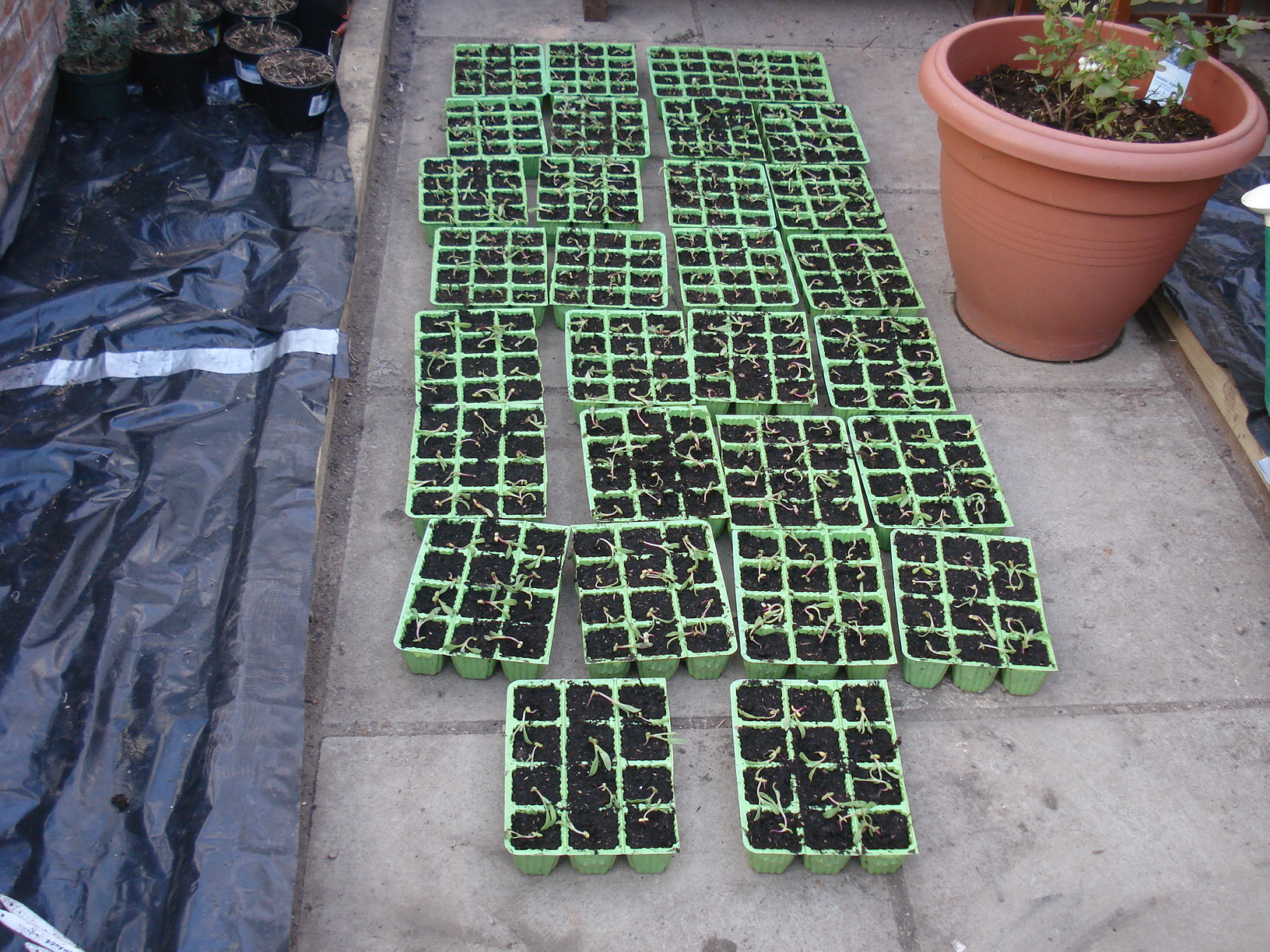
A victim of my own succcess! All of these little seedlings need a new home.

I planted a tray of livingstone daisy seeds and look at how they have germinated. I knew they were ready for potting on but I could not face it and kept putting it off. However, I had a word with myself yesterday, cleared a space in the greenhouse, put the radio on and got on with it.

There was a lot of wastage but in the end I stopped after 360!

360 livingstone daisies

I grow so many because we have several long borders and the daisies create a stunning display as well as provide good ground cover. I have also grown some to give to friends.

There were two things that kept me going. The first was knowing how fantastic they will look. When they open their wee smiley faces to the sun my heart just melts. The second was the fact that the garden centre sells 6 plants for £3. So I calculate that for a packet of seeds that cost £1.49 I have saved Mr Mac £180!

As a bonus this year I also got a free packet of livingstone daisy seeds with Amateur Gardening magazine (worth £1.99). They are a different variety but (thankfully!) have not germinated quite as successfully. They should be ready to pot on soon.

If you are tempted to grow some I promise you, you won’t regret it. They are perfect for the edge of borders and seem to be able to grow in any type of soil as long they are in a sunny spot.

Their “Sunday” name is Mesembryanthemum which means midday flowering. They are native to South Africa and are also known as fig marigolds or icicle plant.

This is what they looked like last year.